
Disclaimer
Nutritional values may vary based on preparation method, trimming, and brand. This article is for informational purposes only and not a substitute for professional dietary or medical advice.
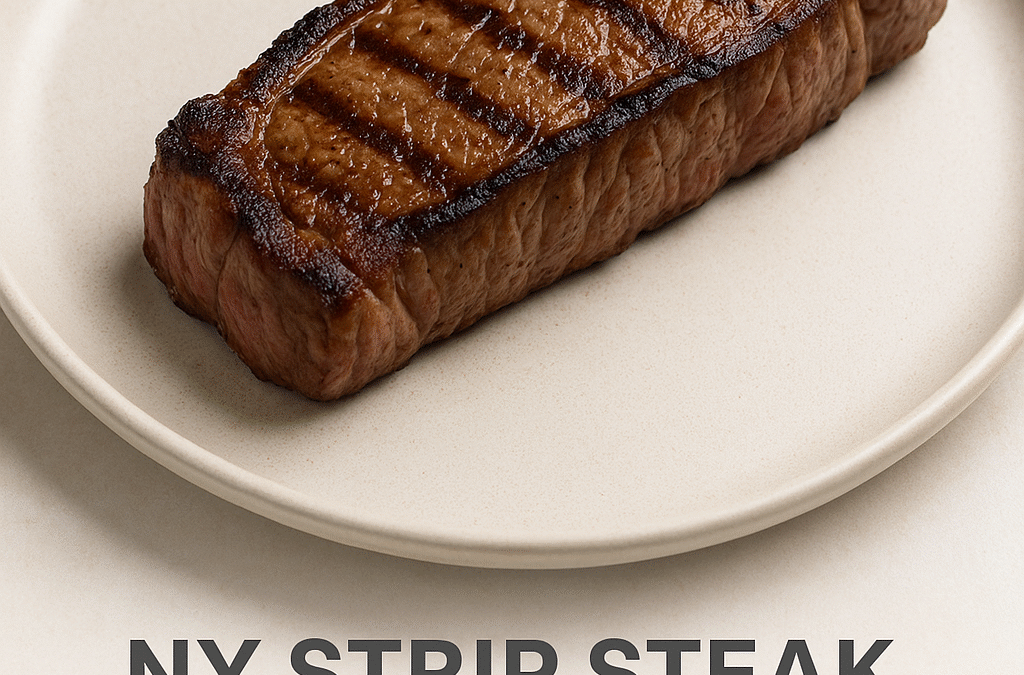
Juicy, tender, and full of flavor, the New York strip steak is one of the most popular cuts of beef on restaurant menus and dinner tables alike. Known for its rich marbling and satisfying texture, it’s a favorite among steak lovers who appreciate both taste and nutrition.
But how healthy is a strip steak, really? Understanding NY strip steak nutrition helps you balance its protein-packed benefits with its fat and calorie content. Whether you enjoy it grilled, pan-seared, or broiled, this cut can fit well into a balanced diet when prepared mindfully.
What Is a New York Strip Steak?
The New York strip steak comes from the short loin section of the cow, located behind the ribs. This part of the animal is lightly worked, which gives the meat a tender texture with moderate marbling.
It’s also known by other names such as:
- Strip loin steak
- Kansas City strip
- Top loin steak
Unlike fattier cuts like ribeye, the strip steak offers a leaner balance — flavorful yet not excessively fatty — making it a favorite among those looking for both taste and nutrition.
NY Strip Steak Nutrition Facts (Per 6 oz Cooked Serving)
| Nutrient | Amount |
|---|---|
| Calories | 340 kcal |
| Total Fat | 20 g |
| Saturated Fat | 8 g |
| Cholesterol | 110 mg |
| Sodium | 75 mg |
| Carbohydrates | 0 g |
| Sugars | 0 g |
| Protein | 38 g |
| Iron | 3.1 mg |
| Zinc | 6.5 mg |
| Potassium | 450 mg |
| Vitamin B12 | 1.6 µg (67% DV) |
| Vitamin B6 | 0.8 mg (60% DV) |
| Niacin (B3) | 8 mg (50% DV) |
| Phosphorus | 320 mg |
| Selenium | 38 µg (69% DV) |
DV = Daily Value, based on a 2,000-calorie diet.
Calories in NY Strip Steak
A 6-ounce serving of cooked New York strip steak provides around 340 calories.
The calorie breakdown is as follows:
- Protein: 38 g (152 calories)
- Fat: 20 g (180 calories)
- Carbohydrates: 0 g
The actual calorie count varies slightly depending on the degree of marbling, fat trimming, and cooking method. Grilling or broiling without oil maintains the lowest calorie count, while pan-searing with butter increases it significantly.
Protein Content
One of the greatest strengths of a strip steak is its high-quality protein. A 6 oz portion provides about 38 grams, containing all nine essential amino acids necessary for:
- Muscle repair and growth
- Hormone and enzyme production
- Metabolic function
This makes it a top-tier protein source, especially for athletes, bodybuilders, or anyone following a high-protein diet.
Fat Content
An NY strip steak contains 20 grams of total fat, including 8 grams of saturated fat.
The fat content is what gives the steak its signature juiciness and flavor.
While saturated fat has been historically associated with heart disease, modern research shows that moderate consumption of unprocessed red meat can fit into a healthy diet, particularly when balanced with vegetables and whole grains.
Leaner cuts — or trimming visible fat — can reduce total fat by up to 25–30%.
Cholesterol
Each serving has about 110 mg of cholesterol, which is roughly 37% of the daily recommended limit.
However, dietary cholesterol has less effect on blood cholesterol than once believed. For most healthy adults, lean beef in moderation does not increase heart disease risk when part of a balanced diet.
Vitamins in NY Strip Steak
Beef is naturally rich in B vitamins, which play essential roles in metabolism, nerve function, and red blood cell formation.
| Vitamin | Function | Amount (6 oz) |
|---|---|---|
| Vitamin B12 | Supports red blood cells and nerve function | 1.6 µg |
| Vitamin B6 | Metabolizes amino acids and energy | 0.8 mg |
| Niacin (B3) | Aids digestion and skin health | 8 mg |
| Riboflavin (B2) | Supports metabolism and cellular energy | 0.2 mg |
| Pantothenic Acid (B5) | Helps convert food into energy | 0.5 mg |
The B12 content alone meets more than half of your daily requirement, making NY strip steak an excellent source for those who limit other animal products.
Minerals in NY Strip Steak
NY strip steak is loaded with essential minerals that support energy production, immunity, and overall health.
| Mineral | Function | Amount (6 oz) |
|---|---|---|
| Iron | Carries oxygen in blood | 3.1 mg |
| Zinc | Boosts immune system and wound healing | 6.5 mg |
| Phosphorus | Supports bones and teeth | 320 mg |
| Selenium | Acts as an antioxidant | 38 µg |
| Potassium | Regulates blood pressure and nerve signals | 450 mg |
| Magnesium | Supports muscle function | 26 mg |
Zinc and iron are especially important, as they are more bioavailable in beef than in plant-based foods.
Sodium Content
Naturally, NY strip steak contains only about 75 mg of sodium, making it suitable for low-sodium diets.
The sodium level increases primarily through seasoning, marinades, or sauces, so keeping preparation simple ensures it remains heart-healthy.
Carbohydrates
Like most meats, NY strip steak contains zero carbohydrates.
This makes it perfect for low-carb, paleo, and ketogenic diets while offering energy and nutrient density without sugar or starch.
NY Strip Steak and Muscle Health
The combination of high-quality protein, iron, and zinc makes NY strip steak ideal for supporting muscle repair and performance.
- Protein fuels tissue regeneration.
- Iron enhances oxygen delivery to muscles.
- Zinc assists with recovery and immune support.
Including steak once or twice a week can complement an active lifestyle, especially when combined with exercise and balanced hydration.
Heart Health Considerations
While the NY strip steak is higher in saturated fat than poultry or fish, it can still be part of a heart-healthy diet when:
- Trimmed of visible fat
- Cooked using dry heat methods (grilling, broiling)
- Paired with fiber-rich sides like vegetables or whole grains
Replacing processed meats (like sausages) with lean red meat has been shown to reduce cardiovascular risk in several studies.
Comparison: NY Strip Steak vs Other Cuts
| Cut | Calories (6 oz) | Protein | Fat | Saturated Fat | Taste |
|---|---|---|---|---|---|
| NY Strip Steak | 340 | 38 g | 20 g | 8 g | Rich, balanced |
| Ribeye | 400 | 36 g | 28 g | 12 g | Very juicy, high fat |
| Filet Mignon | 320 | 40 g | 17 g | 7 g | Tender, mild flavor |
| Sirloin | 310 | 42 g | 15 g | 5 g | Leaner, less marbled |
| Flank Steak | 280 | 38 g | 10 g | 4 g | Lean, more fibrous |
The NY strip steak strikes a balance between flavor and leanness, sitting right between sirloin and ribeye in both texture and fat content.
Cooking Methods and Nutritional Differences
| Method | Calories (6 oz) | Fat | Notes |
|---|---|---|---|
| Grilled (No Oil) | 340 | 20 g | Keeps fat moderate, enhances flavor |
| Pan-Seared (With Butter) | 410 | 26 g | Adds calories and richness |
| Broiled | 345 | 20 g | Retains natural juices |
| Sous Vide | 330 | 18 g | Preserves tenderness, minimal nutrient loss |
| Fried | 460 | 30 g | High in saturated fat and calories |
For the healthiest option, grill or broil your steak without butter and let its natural flavor shine.
Health Benefits of NY Strip Steak
1. High-Quality Protein Source
Supports tissue repair, immune function, and muscle strength with 38 g of complete protein per serving.
2. Rich in Iron and B12
Prevents anemia, enhances energy, and supports healthy brain function.
3. Boosts Immunity
Zinc strengthens the immune system and accelerates wound healing.
4. Supports Metabolism
Niacin and B6 help convert food into energy and maintain metabolic efficiency.
5. Maintains Bone Health
Phosphorus and protein contribute to bone density and structure.
Potential Drawbacks
- High Saturated Fat:
Frequent consumption of large portions can increase cholesterol in sensitive individuals. - Calorie Density:
At 340 calories per 6 oz, large servings may exceed calorie needs when paired with high-fat sides. - Cooking Temperature:
Overcooked or charred meat can produce compounds like heterocyclic amines (HCAs). Using moderate heat and marinating meat reduces this risk. - Sodium in Processed or Seasoned Cuts:
Pre-seasoned or restaurant steaks may contain significantly more sodium — always check labels.
How to Make NY Strip Steak Healthier
- Trim visible fat before cooking.
- Grill or bake instead of frying.
- Use dry rubs or herbs instead of salty marinades.
- Pair with fiber-rich sides like spinach, roasted vegetables, or quinoa.
- Limit portions to 4–6 oz for balance.
A moderate serving once or twice a week provides the benefits without overloading calories or fat.
NY Strip Steak vs Chicken Breast
| Nutrient | NY Strip Steak (6 oz) | Chicken Breast (6 oz) |
|---|---|---|
| Calories | 340 | 276 |
| Protein | 38 g | 52 g |
| Fat | 20 g | 6 g |
| Saturated Fat | 8 g | 1.7 g |
| Iron | 3.1 mg | 1 mg |
| Vitamin B12 | 1.6 µg | 0.5 µg |
While chicken is leaner, beef provides more iron, zinc, and flavor. Both can be excellent protein sources when balanced in your diet.
Quick Recap of NY Strip Steak Nutrition
| Nutrient | Value (Per 6 oz) |
|---|---|
| Calories | 340 kcal |
| Protein | 38 g |
| Fat | 20 g |
| Saturated Fat | 8 g |
| Carbohydrates | 0 g |
| Cholesterol | 110 mg |
| Iron | 3.1 mg |
| Zinc | 6.5 mg |
| Vitamin B12 | 1.6 µg |
| Potassium | 450 mg |
The Bottom Line
NY strip steak offers an excellent combination of rich flavor, high-quality protein, and essential nutrients like iron, zinc, and B vitamins. While it contains more fat than poultry or fish, it’s a satisfying and nutrient-dense option when eaten in moderation.
Grill it, season it lightly, and pair it with vegetables or whole grains for a balanced, wholesome meal. When enjoyed responsibly, the New York strip steak is both a culinary delight and a powerful source of nourishment.