
Disclaimer
This article is for informational purposes only and should not be taken as medical or dietary advice. Always consult a qualified healthcare provider or registered dietitian before making significant changes to your eating habits or starting any new dietary plan. Nutritional needs vary by individual, and while beef jerky can be part of a healthy diet, it may not be suitable for everyone — especially those with high blood pressure, heart conditions, or specific dietary restrictions.
Beef jerky has long been a popular snack for travelers, athletes, and anyone looking for a quick source of protein. Its convenience, long shelf life, and savory flavor make it appealing — especially for those trying to cut back on high-carb snacks or manage hunger between meals.
Because it’s high in protein and relatively low in carbohydrates, many people consider beef jerky a good option for weight loss. But is it really as healthy as it seems? The answer depends on the type of jerky, how much you eat, and what else is in your diet.
In this article, we’ll break down what beef jerky actually offers nutritionally, its potential benefits for weight control, and the things you should watch out for if you’re including it as part of your weight-loss plan.
What Is Beef Jerky?
How It’s Made
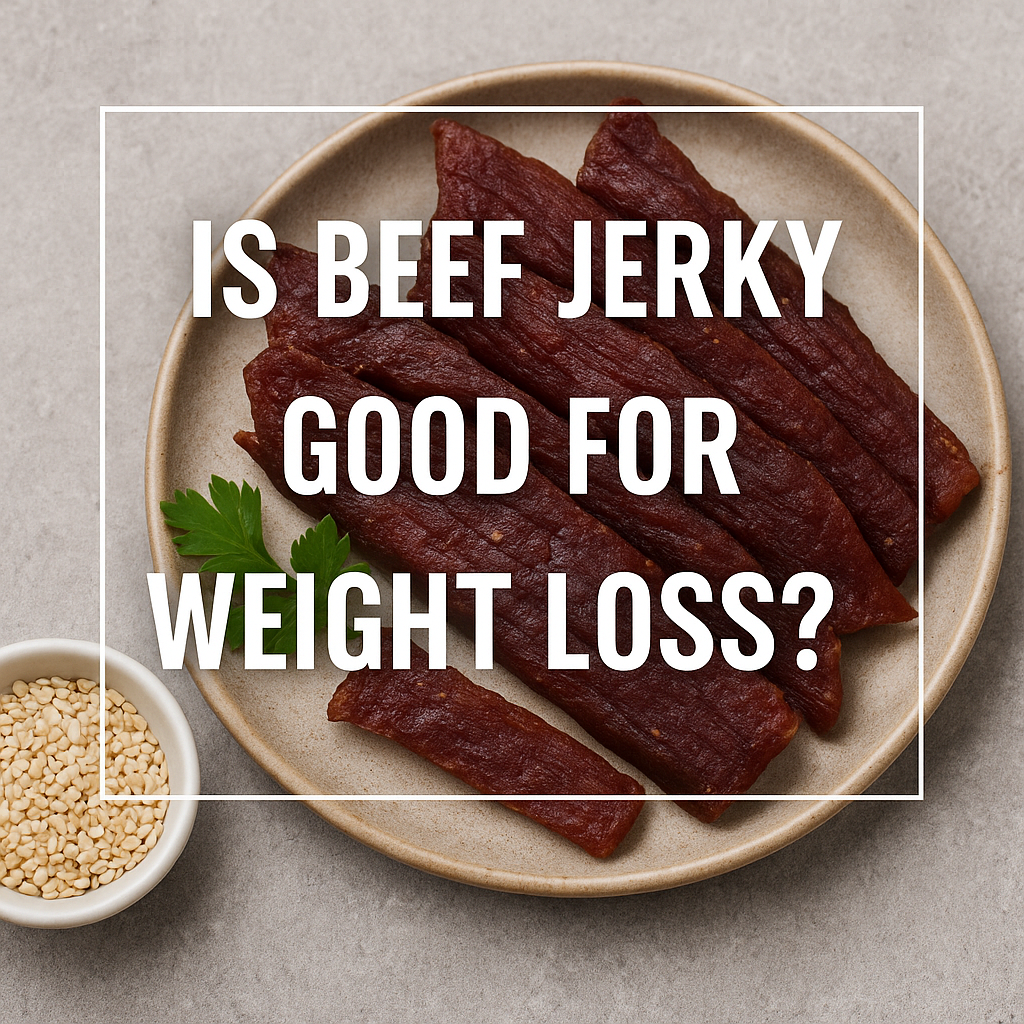
Beef jerky is made by drying lean cuts of beef to remove most of their moisture. This process preserves the meat, making it shelf-stable for long periods. Before drying, the meat is typically marinated in a mixture of salt, seasonings, and sometimes sugar or preservatives to enhance flavor and extend storage life.
Traditionally, jerky was made using natural sun-drying or smoking methods. Today, most commercial versions use controlled dehydration at low heat to ensure consistency and safety.
Nutritional Profile Overview
Beef jerky is valued for its high protein content and low carbohydrate levels. On average, a one-ounce (28-gram) serving provides:
- Calories: 70–110
- Protein: 9–12 grams
- Fat: 2–7 grams (depending on the cut)
- Carbohydrates: 1–5 grams
- Sodium: 400–700 mg
Different brands and flavors can vary significantly. Some versions include added sugar or high sodium levels, which can affect how suitable they are for weight management.
In essence, beef jerky is a concentrated form of lean protein, but its nutritional value depends largely on how it’s prepared.
Why Beef Jerky Can Support Weight Loss
Beef jerky can fit well into a weight-loss plan when chosen and eaten mindfully. Its nutritional makeup — particularly its high protein and low carbohydrate content — makes it a convenient and filling snack option for people managing their calorie intake.
High in Protein
Protein is one of the most important nutrients for weight management. It helps increase feelings of fullness, reduces cravings, and supports lean muscle mass during calorie restriction. A single serving of beef jerky typically provides 9–12 grams of protein, which can help control hunger between meals and prevent overeating later in the day.
Compared to processed snacks like chips or cookies, beef jerky provides more lasting satiety and has a lower impact on blood sugar levels.
Portable and Convenient
One of the biggest advantages of beef jerky is convenience. It doesn’t require refrigeration, has a long shelf life, and can be carried easily during travel or busy workdays. This makes it a practical alternative to less nutritious options when you need something quick.
Low in Carbohydrates
Most beef jerky varieties are naturally low in carbohydrates, especially those without added sugars. For individuals following low-carb or high-protein diets, this makes it a useful snack that supports energy without causing spikes in blood sugar.
When eaten in moderation and paired with nutrient-rich meals, beef jerky can be a satisfying, protein-focused snack that helps maintain a calorie deficit without constant hunger.
Potential Drawbacks to Consider
Although beef jerky can support weight management, not all types are created equal. Some commercial varieties contain ingredients or nutrient levels that make them less suitable for regular consumption. Understanding these drawbacks helps you make more informed choices.
High Sodium Content
Most store-bought beef jerky contains 400–700 mg of sodium per serving, and flavored varieties can exceed 1,000 mg. Excess sodium may cause water retention, which can temporarily mask fat loss on the scale. Over time, consistently high sodium intake can also contribute to elevated blood pressure or kidney strain in some individuals.
Added Sugars and Preservatives
To enhance flavor, some brands add sugar, corn syrup, or honey to their marinades. These sweetened versions can contain 5–10 grams of sugar per serving, adding unnecessary calories. Artificial preservatives and flavor enhancers such as nitrates or MSG are also common in lower-quality products.
Portion Control Challenges
Beef jerky is light, tasty, and easy to overeat. Even though a one-ounce serving may have around 100 calories, eating several servings at once can quickly add up. This can lead to hidden calorie overconsumption, especially when snacking mindlessly.
Fat Content Variability
While lean jerky options exist, some versions use fattier cuts of beef, increasing saturated fat levels. Excess intake of saturated fat may not align with heart-healthy eating goals, particularly when consumed frequently.
In short, beef jerky can be a helpful snack for weight management, but only when portion size and ingredient quality are considered carefully.
Nutritional Comparison: Beef Jerky vs. Other Snack Options
Beef jerky stands out for its high protein and low carbohydrate content, but how does it compare with other common snacks? Evaluating it alongside alternatives like nuts, protein bars, yogurt, and boiled eggs helps determine when it’s the better choice.
Protein and Calorie Comparison (Per 1 oz / 28 g Serving)
| Snack Type | Calories | Protein | Fat | Carbohydrates | Sodium |
|---|---|---|---|---|---|
| Beef Jerky | 80–110 | 9–12 g | 2–7 g | 1–5 g | 400–700 mg |
| Almonds | 160 | 6 g | 14 g | 6 g | 0 mg |
| Protein Bar (average) | 180–220 | 10–20 g | 5–8 g | 15–25 g | 100–300 mg |
| Boiled Egg | 70 | 6 g | 5 g | 0 g | 70 mg |
| Greek Yogurt (plain, nonfat) | 100 | 10 g | 0 g | 6 g | 60 mg |
Analysis
- Protein: Beef jerky provides a high protein-to-calorie ratio, making it efficient for appetite control.
- Fat: It contains less fat than nuts or cheese, which makes it lower in calories per gram of protein.
- Carbohydrates: Jerky is nearly carb-free, unlike many protein bars that contain added sugars.
- Sodium: It’s the only snack on this list with significantly high sodium levels, which may be a concern for frequent consumption.
When It’s the Better Choice
Beef jerky works best as an occasional snack between meals or while traveling, especially when refrigeration isn’t available. For daily use, rotating it with lower-sodium, fresh protein sources — like yogurt, eggs, or nuts — offers more balance.
Choosing the Healthiest Beef Jerky for Weight Loss
Not all beef jerky products are equal. Some are packed with unnecessary sugars, sodium, and additives, while others offer clean, high-quality protein that fits well into a balanced weight-loss plan. Knowing how to read labels and select the right type makes a major difference.
Look for Clean Ingredient Labels
Choose jerky made with simple, recognizable ingredients — ideally just beef, salt, and natural spices. Avoid products that list corn syrup, added sugar, nitrates, or artificial preservatives high on the ingredient list. The fewer processed ingredients, the better.
Check Sodium and Sugar Levels
Opt for low-sodium varieties with less than 500 mg of sodium per serving. Excess salt can cause temporary water weight gain and increased thirst, which may interfere with tracking progress. Similarly, aim for no more than 2–3 grams of sugar per serving to prevent added calories from hidden sweeteners.
Choose Lean Cuts and Grass-Fed Sources
Beef jerky made from lean cuts or grass-fed beef tends to have less fat and higher-quality nutrients, including omega-3 fatty acids and iron. These options also provide a cleaner protein source with better overall nutrient balance.
Watch Serving Sizes
Stick to about one ounce (roughly a small handful) per snack. Eating directly from a large bag often leads to overconsumption. Pre-portioned packs or measuring a serving in advance can help maintain control.
Go for Air-Dried or Naturally Smoked Versions
Jerky prepared using natural drying or smoking techniques often contains fewer artificial ingredients and a more authentic flavor. It’s best to avoid products that rely on heavy flavor coatings or glazes.
By focusing on lean, minimally processed options, you can enjoy beef jerky as a satisfying, protein-rich snack that complements a healthy eating plan without unnecessary additives.
How to Include Beef Jerky in a Weight-Loss Diet
Beef jerky can be a helpful addition to a weight-loss plan when eaten in moderation and paired with nutrient-dense foods. Because it’s concentrated in protein and calories, balance and timing are key to making it work effectively.
Mind Your Portion Size
Stick to one serving (about 1 ounce or 28 grams) per snack. This amount provides enough protein to curb hunger without adding too many calories. Eating directly from a large bag can make it easy to exceed your target intake.
Pair It with Whole Foods
Beef jerky pairs well with fruits or vegetables that add fiber and hydration — such as apple slices, cucumber sticks, or a handful of cherry tomatoes. The combination of protein and fiber keeps you full longer and helps regulate appetite more effectively than jerky alone.
Use as a Snack, Not a Meal Replacement
Jerky is best used to bridge gaps between meals rather than replace full meals. While it’s high in protein, it lacks other key nutrients such as vitamins, minerals, and fiber found in whole foods.
Choose the Right Timing
- Midday energy boost: Ideal for avoiding unhealthy snacking during long workdays.
- Post-workout recovery: Provides quick protein for muscle repair after moderate exercise.
- Travel or outdoor activity: A convenient option when fresh food isn’t available.
Stay Hydrated
Because jerky is dense and salty, it can increase thirst. Make sure to drink plenty of water throughout the day to stay hydrated and help your body process sodium efficiently.
When consumed thoughtfully — in portioned amounts and alongside whole foods — beef jerky can support satiety and consistency in a calorie-controlled eating plan.
Who Should Limit or Avoid Beef Jerky
Although beef jerky can be part of a healthy weight-loss strategy, certain individuals may benefit from limiting or avoiding it based on health needs, dietary preferences, or medical conditions.
Individuals with High Blood Pressure or Sodium Sensitivity
Beef jerky is naturally high in sodium, with most commercial options containing 400–700 mg per serving. People with hypertension, heart disease, or kidney conditions should be cautious, as excess sodium can increase blood pressure and fluid retention. Choosing low-sodium varieties or limiting frequency can help reduce this risk.
Those on Low-Processed or Whole-Food Diets
Jerky, even when made from lean meat, is still a processed food. Individuals following clean-eating or minimally processed diets may prefer fresh, unprocessed protein sources like grilled chicken, boiled eggs, or legumes.
People Prone to Overeating Salty Snacks
Beef jerky’s rich, savory flavor can make it easy to overconsume. Eating multiple servings in one sitting can quickly increase calorie, sodium, and fat intake — slowing weight-loss progress. Pre-portioning servings before eating can help with control.
Individuals Watching Saturated Fat Intake
Some jerky products, especially those made from fattier cuts or marbled beef, may contain higher levels of saturated fat. People managing cholesterol levels or aiming for heart-healthy eating should choose lean or extra-lean jerky options.
Vegetarians, Vegans, and Certain Religious Diets
Since beef jerky is animal-based, it does not fit into vegetarian, vegan, or certain religious dietary guidelines. Plant-based protein snacks like soy jerky, roasted chickpeas, or lentil crisps can serve as alternatives.
While jerky can be a nutritious snack for many, being mindful of sodium, portion size, and ingredient quality ensures it complements — rather than hinders — your health goals.
Healthier Homemade Alternatives
Making beef jerky at home allows you to control ingredients, sodium levels, and flavorings — resulting in a cleaner, healthier version that fits more comfortably into a weight-loss plan.
How to Make Healthier Beef Jerky at Home
- Choose Lean Cuts: Opt for lean beef such as top round, sirloin tip, or flank steak to reduce saturated fat.
- Trim Visible Fat: Removing excess fat helps prevent spoilage and keeps the jerky lower in calories.
- Marinate Wisely: Use natural ingredients such as low-sodium soy sauce, apple cider vinegar, garlic powder, and black pepper. Avoid added sugars or heavy sauces.
- Dry Slowly: Use a food dehydrator or an oven at low heat (around 160°F or 70°C) for several hours until fully dried.
- Store Properly: Keep homemade jerky in airtight containers or refrigerate to preserve freshness.
Healthier Alternatives to Traditional Beef Jerky
If you prefer plant-based or lighter protein snacks, these options can provide similar convenience and nutrition:
- Turkey or Chicken Jerky: Typically lower in fat and calories than beef.
- Salmon Jerky: Provides omega-3 fatty acids and high-quality protein.
- Soy or Mushroom Jerky: A good plant-based option high in protein and fiber.
- Roasted Chickpeas or Edamame: Crunchy, protein-rich, and lower in sodium.
- Boiled Eggs or Greek Yogurt: Whole-food protein snacks with minimal processing.
Benefits of Homemade and Alternative Options
- Lower sodium and sugar content.
- No artificial preservatives or flavor enhancers.
- Customizable flavors for different preferences.
- Fresher ingredients with higher nutrient quality.
Preparing your own jerky or switching to leaner, minimally processed protein snacks provides all the benefits of convenience and satiety — without the drawbacks of excess salt or additives.
Verdict: Is Beef Jerky Good for Weight Loss?
Beef jerky can be a smart addition to a weight-loss plan when it’s chosen carefully and eaten in moderation. Its high protein content, low carbohydrate level, and long shelf life make it a convenient and filling snack, especially for people who need something quick between meals or while traveling.
However, it’s not a perfect food. Many commercial brands contain high sodium, added sugars, or preservatives, which can reduce its nutritional value and potentially affect heart health if consumed too frequently. Portion control is equally important — eating several servings at once can easily add hundreds of calories.
When made from lean, minimally processed beef and paired with fresh fruits or vegetables, jerky can help control hunger, reduce overeating, and support steady progress toward weight-loss goals. But it should complement a balanced diet — not replace whole meals or other nutrient-rich foods.
In short: beef jerky can support weight loss, but only when it’s part of an overall healthy eating pattern that emphasizes moderation, hydration, and variety.
Key Takeaways
- Beef jerky can aid weight management because it’s rich in protein, low in carbohydrates, and helps control hunger between meals.
- Quality matters. Choose jerky made from lean cuts with minimal ingredients and avoid versions high in sodium, sugar, or preservatives.
- Portion control is key. Stick to about one ounce (28 grams) per serving to keep calories in check.
- Balance with whole foods. Pair jerky with fruits or vegetables for added fiber and hydration.
- Homemade or clean-label options are the healthiest choices, offering more nutrients and less processing.
- Moderation is essential. Jerky should serve as an occasional snack — not a daily staple or meal replacement.
When eaten thoughtfully, beef jerky can be a convenient, satisfying addition to a balanced diet and support gradual, sustainable weight loss.