
Disclaimer
This article is for informational purposes only and not a substitute for professional medical or dietary advice. Consult a healthcare provider before making significant changes to your beverage or diet habits, especially if you have diabetes, hypertension, or metabolic concerns.
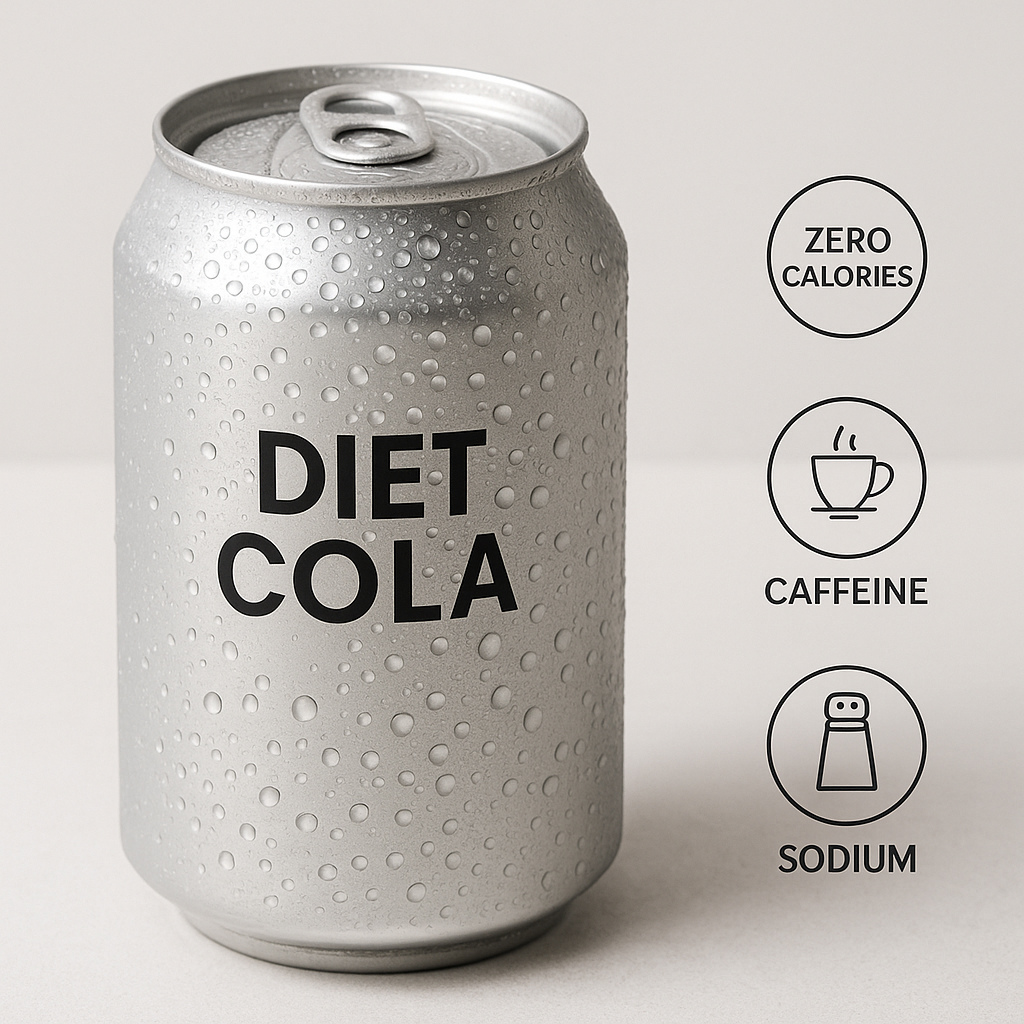
Diet cola is one of the most recognizable zero-calorie drinks in the world. For millions, it’s a guilt-free way to enjoy the familiar taste of cola without the sugar. But does “diet” really mean “healthy”?
While diet cola has no calories or sugar, it contains artificial sweeteners, caffeine, acids, and additives that can still influence your health. Understanding diet cola nutrition means looking beyond the calorie count — examining what’s actually inside the can and how it affects your body.
What Is Diet Cola?
Diet cola (like Diet Coke or Diet Pepsi) is a sugar-free carbonated beverage that mimics the taste of regular cola using artificial or non-nutritive sweeteners instead of sugar or high-fructose corn syrup.
It was first introduced in the 1980s as a lighter alternative to sugary sodas. Today, it’s consumed by millions daily — often as part of weight management or low-carb diets.
Diet Cola Nutrition Facts (Per 12 fl oz / 355 mL)
| Nutrient | Amount |
|---|---|
| Calories | 0–2 kcal |
| Total Fat | 0 g |
| Sodium | 40 mg |
| Total Carbohydrates | 0 g |
| Sugars | 0 g |
| Protein | 0 g |
| Caffeine | 34 mg |
| Potassium | 0 mg |
| Cholesterol | 0 mg |
These values may vary slightly by brand and formulation. For example, Diet Pepsi contains around 35 mg caffeine, while Diet Coke has about 34 mg. Caffeine-free versions eliminate this ingredient but retain the same flavor base.
Calories in Diet Cola
The most advertised feature of diet cola is its zero-calorie composition. Artificial sweeteners provide intense sweetness — hundreds of times stronger than sugar — without adding measurable calories.
However, “zero calories” doesn’t mean “neutral.” Even without energy content, diet cola can trigger taste and appetite responses, which may indirectly influence calorie intake later in the day.
Ingredients in Diet Cola
A standard can of diet cola typically includes:
- Carbonated Water: Adds fizz and volume.
- Caramel Color: Gives cola its signature brown tone.
- Phosphoric Acid: Provides acidity and tanginess.
- Aspartame or Sucralose: Artificial sweeteners replacing sugar.
- Caffeine: Stimulates alertness.
- Potassium Benzoate or Sodium Benzoate: Preservatives preventing spoilage.
- Natural Flavors: Proprietary flavor blend mimicking cola.
- Citric Acid (in some versions): Balances acidity and enhances taste.
Each ingredient plays a role in flavor, preservation, and mouthfeel — but some, like aspartame and phosphoric acid, come with health considerations worth understanding.
Artificial Sweeteners in Diet Cola
The key to diet cola’s “sugar-free” label lies in its non-nutritive sweeteners, most commonly:
- Aspartame (E951) – about 200x sweeter than sugar.
- Sucralose (E955) – 600x sweeter than sugar.
- Acesulfame Potassium (Ace-K) – often blended for better taste balance.
- Stevia (in newer “natural” diet colas) – plant-derived alternative.
These compounds provide sweetness with little to no calories because the body either doesn’t metabolize them fully or does so minimally.
Health note:
Aspartame is safe for most people but should be avoided by individuals with phenylketonuria (PKU), a rare genetic disorder that impairs phenylalanine metabolism.
Sodium in Diet Cola
Diet cola contains around 40 mg of sodium per 12 oz can, less than 2% of the recommended daily limit. While not high in itself, frequent soda consumption — diet or not — can add up, especially when combined with processed foods.
Sodium is added to enhance flavor and preserve carbonation stability.
Caffeine Content
A 12-ounce can of diet cola typically provides 30–40 mg of caffeine, depending on brand and product line. That’s roughly one-third of the caffeine in a cup of coffee.
Caffeine boosts alertness, mood, and focus, but excess consumption (over 400 mg/day for adults) can lead to jitteriness, insomnia, or increased heart rate.
Caffeine-free diet colas are available for people sensitive to stimulants or those avoiding caffeine at night.
Carbohydrates and Sugar
Diet cola is virtually carb-free and sugar-free. Artificial sweeteners replace sugar’s role in flavor without affecting blood glucose levels significantly — one reason it’s popular among people with diabetes or low-carb dieters.
However, studies suggest that sweet-tasting beverages, even without sugar, can trick the brain into craving real sugar or calories later. This “sweetness disconnect” may influence appetite regulation in some individuals.
Vitamins and Minerals
Diet cola provides no vitamins or minerals of significance. Unlike juices, teas, or fortified drinks, it contributes zero nutritional benefit to your diet.
Some specialty versions (like “Diet Coke Plus” from the 2000s) experimented with adding B vitamins and minerals, but these were discontinued due to lack of demand and regulatory complications.
Acid Content and Dental Health
One of the main concerns with diet cola isn’t sugar — it’s acid erosion. The drink contains phosphoric acid and citric acid, both of which lower the pH to around 2.5–3.0, comparable to vinegar.
This level of acidity can weaken tooth enamel over time, making teeth more prone to sensitivity and cavities — even without sugar present.
Tip: Drink diet cola with a straw, and avoid brushing immediately after consuming acidic drinks to prevent enamel damage.
Phosphoric Acid and Bone Health
Phosphoric acid adds the tangy “bite” to cola but may influence calcium balance in the body. Some studies have linked frequent cola consumption (both regular and diet) with lower bone mineral density, especially in women.
The theory: phosphoric acid may reduce calcium absorption or displace milk and other calcium-rich beverages in the diet. While occasional consumption is harmless, daily intake may contribute to bone weakening over time.
Does Diet Cola Help with Weight Loss?
Diet cola is often chosen as a “weight-friendly” substitute for regular soda. By replacing a 150-calorie drink with a zero-calorie one, you theoretically save hundreds of calories a week.
However, the science isn’t entirely straightforward.
While short-term weight loss may occur due to reduced calorie intake, some studies show that artificial sweeteners might:
- Increase cravings for sweet foods
- Affect gut bacteria balance
- Interfere with appetite-regulating hormones
That said, occasional diet cola consumption as part of an otherwise balanced diet is unlikely to derail weight management goals.
Diet Cola vs Regular Cola
| Feature | Diet Cola | Regular Cola |
|---|---|---|
| Calories | 0–2 kcal | 140 kcal |
| Sugar | 0 g | 39 g |
| Sweeteners | Artificial (aspartame, sucralose) | High-fructose corn syrup or sugar |
| Caffeine | 34 mg | 34 mg |
| Sodium | 40 mg | 45 mg |
| Acids | Phosphoric, citric | Phosphoric, citric |
| Nutritional Value | None | Minimal |
| Blood Sugar Impact | None | High |
In essence: diet cola saves calories and sugar but adds artificial ingredients. Regular cola adds energy but at the cost of high sugar load. Neither provides real nutrients.
Diet Cola and Gut Health
Recent research indicates that artificial sweeteners — particularly sucralose and aspartame — may alter the gut microbiome, potentially influencing glucose tolerance and digestion.
While findings are mixed and often depend on dosage, those with digestive sensitivities may experience bloating or discomfort after drinking artificially sweetened sodas.
If gut health is a concern, reducing both diet and regular soda intake is advisable.
Diet Cola and Metabolism
Some people notice increased cravings after drinking diet sodas. Sweeteners trigger taste receptors, but because no actual sugar arrives in the bloodstream, the body’s response (insulin release, dopamine stimulation) can become confused.
Over time, this may blunt the body’s ability to accurately regulate hunger cues — though this effect is more behavioral than metabolic.
The metabolic impact of one or two diet colas a week is negligible, but daily heavy use may reinforce a psychological dependence on sweetness.
Possible Side Effects of Frequent Consumption
While diet cola is safe in moderation, overuse can lead to:
- Tooth erosion due to acidity.
- Dehydration (caffeine is mildly diuretic).
- Altered taste preference, making natural foods seem less sweet.
- Bloating or gas from carbonation.
- Sleep disruption when consumed late due to caffeine.
- Bone health risks from excessive phosphoric acid intake.
The key word: moderation. One can occasionally is fine; several per day is not ideal.
Myths and Facts About Diet Cola
Myth 1: Diet cola causes cancer.
→ Fact: No current scientific evidence confirms this at typical consumption levels. Aspartame and sucralose are approved by the FDA and WHO when used within safe limits.
Myth 2: It’s worse than regular cola.
→ Fact: It depends on the metric. Regular cola adds sugar and calories; diet cola removes them but adds chemicals. Both are fine occasionally, not daily.
Myth 3: It dehydrates you.
→ Fact: The mild diuretic effect of caffeine is balanced by the drink’s water content. Diet cola can count toward daily fluid intake in moderation.
Diet Cola for People with Diabetes
Diet cola can be a better option than sugary soda for people managing blood glucose. Since it contains no sugar or carbohydrates, it doesn’t cause insulin spikes.
However, people with diabetes should still consume it occasionally — replacing sugary drinks with water, unsweetened tea, or sparkling water is even better.
Diet Cola and Heart Health
A few observational studies suggest that frequent consumption of artificially sweetened drinks may correlate with increased risk of heart disease or stroke.
However, these findings often reflect broader lifestyle factors — diet cola drinkers may consume fewer whole foods or exercise less.
Moderate consumption (1–2 cans per week) is unlikely to pose heart risks in otherwise healthy individuals.
How to Consume Diet Cola Smartly
- Limit frequency – 1–3 cans per week is safe for most adults.
- Alternate with water or herbal teas to stay hydrated.
- Use a straw to reduce enamel exposure.
- Avoid drinking it before bedtime due to caffeine.
- Pair with balanced meals, not as a meal substitute.
Diet Cola Alternatives
If you’re trying to cut down but still crave fizz and flavor, try:
- Sparkling water with lemon or lime.
- Kombucha (lightly sweetened, probiotic).
- Unsweetened iced tea with mint.
- Flavored seltzers (no sugar, no sweeteners).
These options deliver refreshment without chemical sweeteners or acidity concerns.
Diet Cola Nutrition Summary
| Nutrient | Amount per 12 fl oz |
|---|---|
| Calories | 0–2 kcal |
| Sugar | 0 g |
| Carbohydrates | 0 g |
| Fat | 0 g |
| Protein | 0 g |
| Sodium | 40 mg |
| Caffeine | 34 mg |
| Acids | Phosphoric, Citric |
| Sweeteners | Aspartame / Sucralose |
| Nutritional Value | None |
The Bottom Line
Diet cola offers the same familiar fizz and flavor as regular soda without the sugar or calories — but that doesn’t make it a health drink. It’s a calorie-free beverage with chemical sweeteners, useful for occasional enjoyment or transitioning off sugary drinks.
However, relying on it daily can affect dental health, bone strength, and taste perception. The healthiest approach?
Enjoy it occasionally, stay hydrated with water, and remember that “zero calories” doesn’t mean “zero impact.”