
This article is for informational purposes only and should not be considered medical advice. The content is based on general health principles but may not apply to everyone. Always consult a qualified healthcare professional or registered dietitian before making significant changes to your diet, caffeine intake, or weight-loss routine. Individuals with medical conditions, caffeine sensitivity, or those who are pregnant or breastfeeding should seek personalized guidance to ensure safety and suitability.
Coffee isn’t just a drink that wakes you up — it’s one of the most researched beverages for its effects on metabolism, energy, and fat oxidation. Over the past decade, health enthusiasts and nutrition researchers have taken a closer look at how your morning cup can play a role in weight management. The results? Coffee, when prepared correctly and consumed in moderation, can complement a healthy lifestyle and support fat metabolism.
While many viral trends — from “lemon coffee” to “bulletproof coffee” — promise rapid weight loss, most overlook the scientific foundation behind how coffee actually works in the body. The key lies in understanding what to add, what to avoid, and when to drink it to maximize metabolic benefits without harming your health.
In this blog, we’ll explore the science behind coffee and weight loss, the right combination of ingredients to make an effective fat-burning recipe, and how to use coffee strategically as part of your daily nutrition routine — not as a crash-diet trick.
The Science Behind Coffee and Weight Loss
Coffee’s connection to weight management is supported by strong evidence, thanks to its active compounds — caffeine and chlorogenic acids. These naturally occurring substances influence how the body burns calories, mobilizes fat, and controls appetite.
Role of Caffeine
Caffeine is a natural stimulant that increases alertness and helps the body burn more calories even at rest. Studies have shown that caffeine can raise the basal metabolic rate by up to 10%, depending on age, genetics, and tolerance levels. It also promotes thermogenesis, the process through which the body generates heat and energy by burning fat. Drinking coffee before a workout may improve endurance and encourage the body to use stored fat as a primary fuel source.
Chlorogenic Acids and Antioxidants
Coffee also contains chlorogenic acids, powerful antioxidants that support metabolism by regulating glucose absorption and insulin response. By slowing the release of glucose into the bloodstream, they help maintain stable blood sugar levels — a crucial factor for appetite control and fat utilization. The antioxidants in coffee further protect the body from oxidative stress, which is often linked to sluggish metabolism and weight gain.
Appetite and Hormonal Balance
Caffeine can also influence hunger hormones. It temporarily reduces levels of ghrelin, the hormone responsible for triggering hunger signals. As a result, you may feel fuller for longer and consume fewer calories throughout the day. However, this effect tends to be short-term and works best when paired with a balanced diet rather than relied upon alone.
When these natural compounds work together, they create a modest but meaningful effect on metabolism. Combined with consistent exercise and mindful eating, coffee can serve as a valuable part of a sustainable weight management plan.
Coffee-Based Weight Loss Trends (and What Science Says)
Coffee-based diets have become a popular trend, with countless variations promising quick results. From butter-laced brews to lemon-infused mixes, these recipes often go viral, but few are backed by genuine nutritional science. Understanding what actually works can help separate beneficial habits from marketing myths.
Bulletproof or Butter Coffee
Made with black coffee, unsalted butter, and medium-chain triglyceride (MCT) oil, this drink gained fame in low-carb and keto communities. MCTs are rapidly absorbed fats that can provide a quick energy boost and improve satiety, helping reduce snacking. However, it’s calorie-dense, and drinking it alongside full meals can lead to a calorie surplus rather than a deficit. It can support weight loss only when used as a meal replacement, not an addition.
Black Coffee for Fasting
Many people drink plain black coffee during intermittent fasting. Since it contains almost no calories, it doesn’t break the fast and can support fat oxidation during fasting periods. When used correctly, it can improve alertness, reduce appetite, and help sustain energy until the next meal. Still, it’s important to hydrate adequately and avoid excessive caffeine intake during fasting windows.
Lemon Coffee or Detox Coffee
The idea of mixing lemon juice with coffee is a social media invention, not a clinical recommendation. While both ingredients are healthy on their own, there’s no scientific evidence that combining them enhances fat burning. In fact, the acidity of lemon can sometimes cause stomach irritation when mixed with coffee on an empty stomach.
Green Coffee
Green coffee, made from unroasted beans, contains higher levels of chlorogenic acids than regular roasted coffee. Some small studies suggest that it may help reduce body weight modestly when used with a calorie-controlled diet. However, its effect is mild, and results vary from person to person.
Overall, most coffee-based weight loss trends work only when they align with basic principles of nutrition and energy balance. Coffee can complement a healthy diet and exercise plan, but it’s not a standalone weight-loss solution.
Ingredients That Enhance Coffee’s Weight-Loss Benefits
The effectiveness of a coffee weight loss recipe largely depends on what you add to your cup. The right ingredients can improve fat metabolism, balance energy levels, and keep you full longer, while the wrong ones — like sugar and processed creamers — can slow your progress. Below are some ingredients that can turn your regular coffee into a metabolism-supporting drink.
Black Coffee as the Base
A simple black coffee made from quality beans and filtered water is the foundation of any effective weight loss recipe. It’s naturally low in calories, rich in antioxidants, and free from added sugar or dairy. The caffeine helps increase metabolic rate and enhance fat oxidation, especially when consumed before physical activity.
MCT Oil or Coconut Oil
Adding medium-chain triglyceride (MCT) oil or virgin coconut oil helps provide a clean source of energy that’s quickly absorbed and converted into ketones. These ketones can support fat burning and reduce hunger for several hours. MCT oil also improves the coffee’s texture, creating a creamy consistency without dairy.
Cinnamon
Cinnamon is a natural insulin stabilizer that helps control blood sugar levels. It slows down the absorption of carbohydrates, preventing energy crashes and sugar cravings. Its anti-inflammatory compounds also support overall metabolic health, making it an excellent addition to your daily brew.
Unsweetened Cocoa Powder
Cocoa adds depth to flavor and delivers antioxidants known as flavonoids, which improve circulation and support heart health. These antioxidants also help the body use oxygen more efficiently during exercise, aiding endurance and calorie burning. Just a teaspoon is enough to make the drink richer and more satisfying.
Natural Sweeteners
If you prefer your coffee slightly sweet, natural alternatives like stevia or monk fruit extract are better choices than refined sugar or artificial sweeteners. They add sweetness without calories and don’t spike insulin levels, making them suitable for people watching their weight or managing blood sugar.
Together, these ingredients create a balanced beverage that’s energizing, filling, and supportive of your body’s natural fat-burning processes. The goal isn’t to turn coffee into a complicated concoction but to make small, strategic additions that work with your metabolism — not against it.
Step-by-Step Coffee Weight Loss Recipe
Creating a coffee recipe that supports weight loss doesn’t require expensive ingredients or complex preparation. The goal is to make a beverage that provides clean energy, curbs appetite, and enhances fat metabolism while keeping calories minimal. Here’s how to prepare it properly.
Ingredients
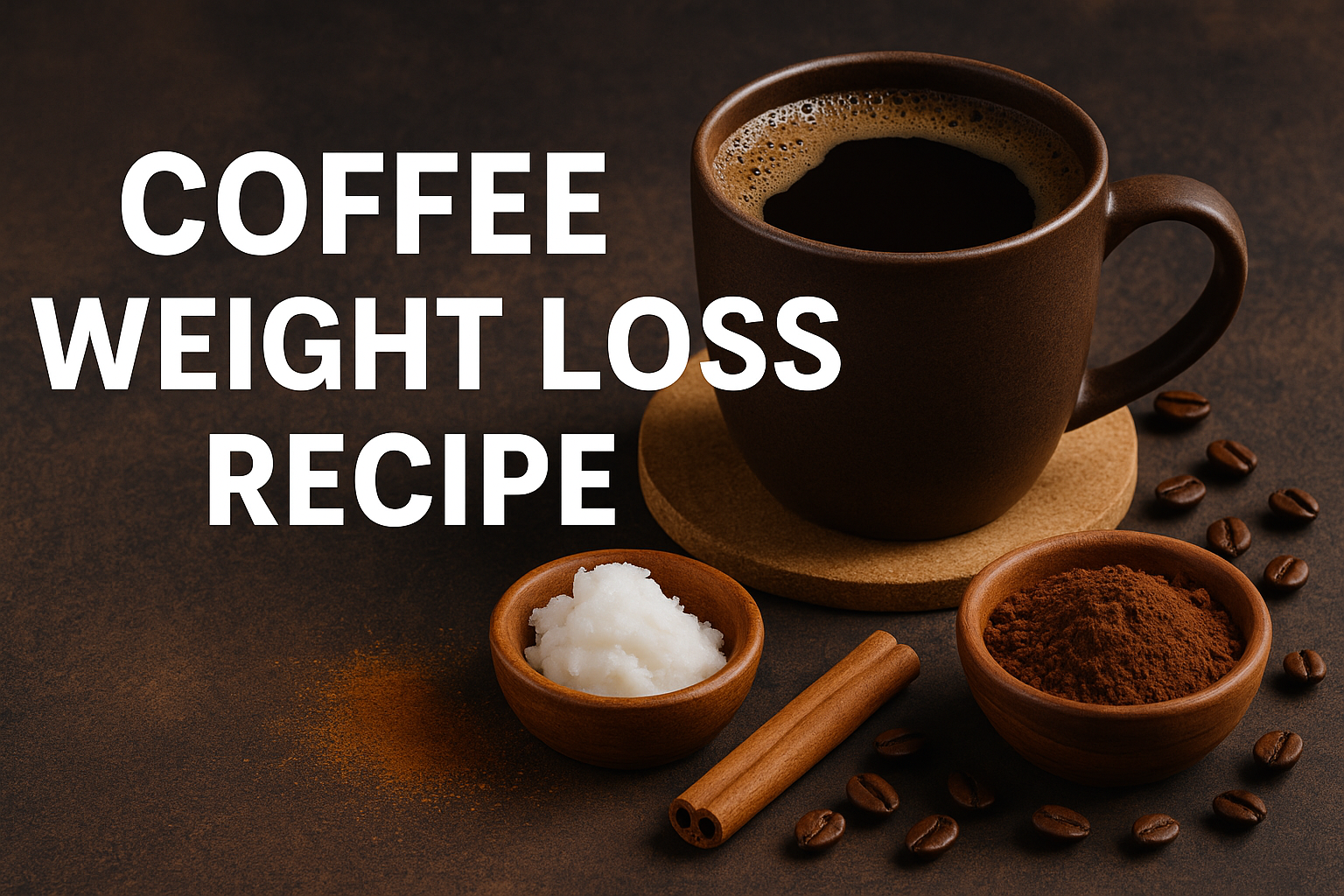
- 1 cup (240 ml) freshly brewed black coffee
- ½ teaspoon MCT oil or virgin coconut oil
- 1 teaspoon unsweetened cocoa powder (optional)
- A pinch of ground cinnamon
- 1–2 drops of stevia or monk fruit extract (optional)
Preparation Method
- Brew a fresh cup of black coffee using medium-roast beans and filtered water for a smoother flavor and better antioxidant profile.
- Add MCT oil or coconut oil to the coffee while it’s hot.
- Blend or whisk the mixture for about 10–15 seconds until it turns creamy and slightly frothy.
- Stir in the cocoa powder and cinnamon.
- Sweeten lightly with stevia or monk fruit, if desired.
When and How to Drink It
The best time to drink this coffee is in the morning or about 30 minutes before your workout. Consuming it early helps activate metabolism, improve alertness, and encourage fat burning throughout the day. Drinking it before exercise may further enhance endurance and fat utilization.
Avoid having it in the late afternoon or evening, as caffeine can interfere with sleep quality, which in turn affects weight management. Hydrate adequately alongside coffee since caffeine has a mild diuretic effect.
When made correctly, this recipe provides a sustained energy lift without a sugar crash, supports mental focus, and encourages the body to use fat for fuel — making it a practical addition to your daily routine.
Coffee Weight Loss Recipe Variations
Everyone’s lifestyle and taste preferences are different, and the good news is that coffee can be easily adapted into several weight-loss-friendly recipes. Whether you prefer a chilled drink, a protein-packed breakfast option, or a more antioxidant-rich version, there’s a variation that can fit seamlessly into your routine.
Cold Brew Fat-Burner
Cold brew coffee is less acidic and naturally smoother than regular hot coffee, making it ideal for people with sensitive stomachs. To prepare, steep coarsely ground coffee in cold water for 12–16 hours, then strain and store in the refrigerator. Before serving, mix one cup of cold brew with half a teaspoon of MCT oil and a dash of cinnamon. This drink is refreshing, hydrating, and perfect for hot climates or post-workout recovery.
Protein-Rich Coffee Smoothie
For those who prefer a more filling option, blending coffee with a scoop of whey or plant-based protein powder creates a balanced meal replacement. Add one cup of cooled black coffee, one scoop of protein powder, half a frozen banana, a teaspoon of cocoa powder, and ice cubes. Blend until smooth. This combination provides caffeine for alertness, protein for muscle maintenance, and fiber for satiety — a complete breakfast or post-exercise option.
Green Coffee Recipe
Green coffee is made from unroasted coffee beans, which retain higher levels of chlorogenic acids. To prepare, steep green coffee bean powder or whole beans in hot water for 10 minutes, strain, and drink warm. It has a mild, herbal taste and may support fat metabolism through its antioxidant properties. Green coffee is caffeine-light, making it a suitable choice for those who prefer gentler stimulation.
Each of these variations can be rotated through the week to keep your routine enjoyable and effective. The key is consistency — using these recipes as part of a structured nutrition plan, rather than as a quick detox or diet shortcut.
Expert Tips to Maximize Coffee’s Fat-Burning Effects
Drinking coffee can support your weight-loss journey, but the benefits depend on how you use it within your overall routine. These evidence-based tips can help you get the most out of your daily cup.
Pair It with Movement
Drinking coffee 20–30 minutes before physical activity can improve focus, stamina, and fat utilization. Caffeine mobilizes fatty acids from stored fat, allowing the body to use them as energy during exercise. Even a brisk walk or light cardio after coffee can amplify these effects.
Combine with a Balanced Diet
Coffee may suppress appetite temporarily, but it cannot replace real nutrition. Pair it with a diet rich in protein, fiber, and healthy fats to maintain energy and support muscle mass. Avoid relying on coffee as a meal substitute unless it’s part of a planned smoothie or protein-based recipe.
Avoid Hidden Calories
Flavored creamers, syrups, and sugar can quickly turn coffee into a high-calorie drink. Stick to black coffee or add minimal ingredients that serve a nutritional purpose, such as MCT oil or cinnamon. Remember that small calorie additions throughout the day can add up and stall progress.
Stay Hydrated
Caffeine has mild diuretic properties, which can increase fluid loss. Always drink a glass of water alongside your coffee to stay hydrated and support optimal digestion and metabolism.
Cycle Your Caffeine Intake
Your body can build tolerance to caffeine over time, reducing its fat-burning effects. Take short breaks from caffeine every few weeks or switch to green coffee for a milder option. Cycling helps reset sensitivity and keeps the benefits consistent.
When combined with smart nutrition, sufficient sleep, and regular exercise, coffee can act as a gentle metabolic ally rather than a temporary stimulant. Used wisely, it becomes part of a sustainable, long-term health plan rather than a quick fix.
Common Mistakes to Avoid
While coffee can support weight management, certain habits can easily undo its benefits. Recognizing these mistakes can help you make the most of your daily brew without compromising your health goals.
Adding Sugar or Creamers
One of the biggest mistakes people make is adding sugar, flavored syrups, or heavy cream. These can transform a zero-calorie drink into a calorie-dense beverage that spikes blood sugar and promotes fat storage. Even small amounts of sugar can quickly accumulate if you drink multiple cups a day. Use natural sweeteners like stevia or monk fruit if you need sweetness.
Overdrinking Coffee
More coffee doesn’t mean more fat burning. Excessive caffeine intake can elevate cortisol levels — the stress hormone that encourages fat retention, especially around the abdomen. Stick to two or three moderate cups a day and avoid drinking it close to bedtime to prevent sleep disruption.
Skipping Meals and Relying on Coffee Alone
While coffee may suppress appetite temporarily, using it to replace meals can slow metabolism and lead to nutrient deficiencies. Skipping meals can also trigger overeating later in the day, which reverses any calorie deficit created earlier. Coffee should complement a balanced diet, not replace it.
Ignoring Hydration
Coffee’s mild diuretic effect can lead to dehydration if not balanced with enough water. Always pair your coffee intake with adequate fluids to support kidney function and maintain metabolic efficiency.
Drinking on an Empty Stomach (for Some Individuals)
Some people tolerate coffee well first thing in the morning, but others may experience acid reflux, nausea, or jitters. If that happens, pair your coffee with a small meal or drink it mid-morning after eating something light.
Avoiding these pitfalls ensures that coffee remains a beneficial habit rather than one that interferes with your health or weight-loss progress.
Safety and Precautions
Even though coffee offers several health benefits, it’s not suitable for everyone in all amounts. Understanding how caffeine affects your body and when to moderate your intake is essential for using coffee safely as part of a weight-loss routine.
Caffeine Sensitivity
People respond differently to caffeine depending on genetics, age, and metabolic rate. Those who are sensitive may experience jitteriness, rapid heartbeat, anxiety, or digestive discomfort even after small doses. If you notice these symptoms, reduce your intake or switch to a lighter option like green coffee or decaf.
Medical Conditions and Interactions
Individuals with certain health conditions should approach coffee consumption cautiously. Those with hypertension, heart rhythm disorders, acid reflux, or anxiety disorders may find that caffeine worsens their symptoms. It can also interact with some medications, including stimulants and certain antibiotics. If you’re on medication or have a chronic health condition, it’s best to discuss your coffee habits with your healthcare provider.
Sleep and Recovery
Caffeine has a half-life of several hours, meaning it can stay in your system well into the evening. Drinking coffee too late in the day can disturb your sleep cycle, which affects recovery and hormone balance — both critical for effective weight management. To avoid this, limit intake after 4 PM or at least six hours before bedtime.
Pregnancy and Lactation
Pregnant or breastfeeding individuals should limit caffeine intake to no more than 200 mg per day, as recommended by most health authorities. Excess caffeine can pass through the placenta or into breast milk, potentially affecting the baby’s sleep and development.
Used responsibly, coffee can be a safe and effective aid for metabolism and focus. The key is moderation — balancing its stimulating effects with good nutrition, hydration, and rest.
Final Verdict
Coffee can be more than just a morning pick-me-up — it can play a supportive role in a well-rounded weight-loss plan. The combination of caffeine, antioxidants, and metabolism-friendly ingredients can help the body use fat for energy, stabilize blood sugar levels, and improve workout performance.
However, coffee alone cannot replace the fundamentals of healthy living. Real progress comes from a combination of balanced nutrition, consistent physical activity, proper sleep, and stress management. When prepared thoughtfully — without sugar or processed additives — coffee can complement these efforts and make your daily routine more enjoyable and sustainable.
Think of coffee as a metabolic enhancer, not a magic solution. With the right recipe and mindful habits, it can become a small but powerful part of a long-term, health-conscious lifestyle.