
Disclaimer
This article is for informational purposes only and should not be used as a substitute for medical advice or treatment. Always consult a healthcare professional for personalized guidance if you experience erectile dysfunction or persistent sciatic pain.
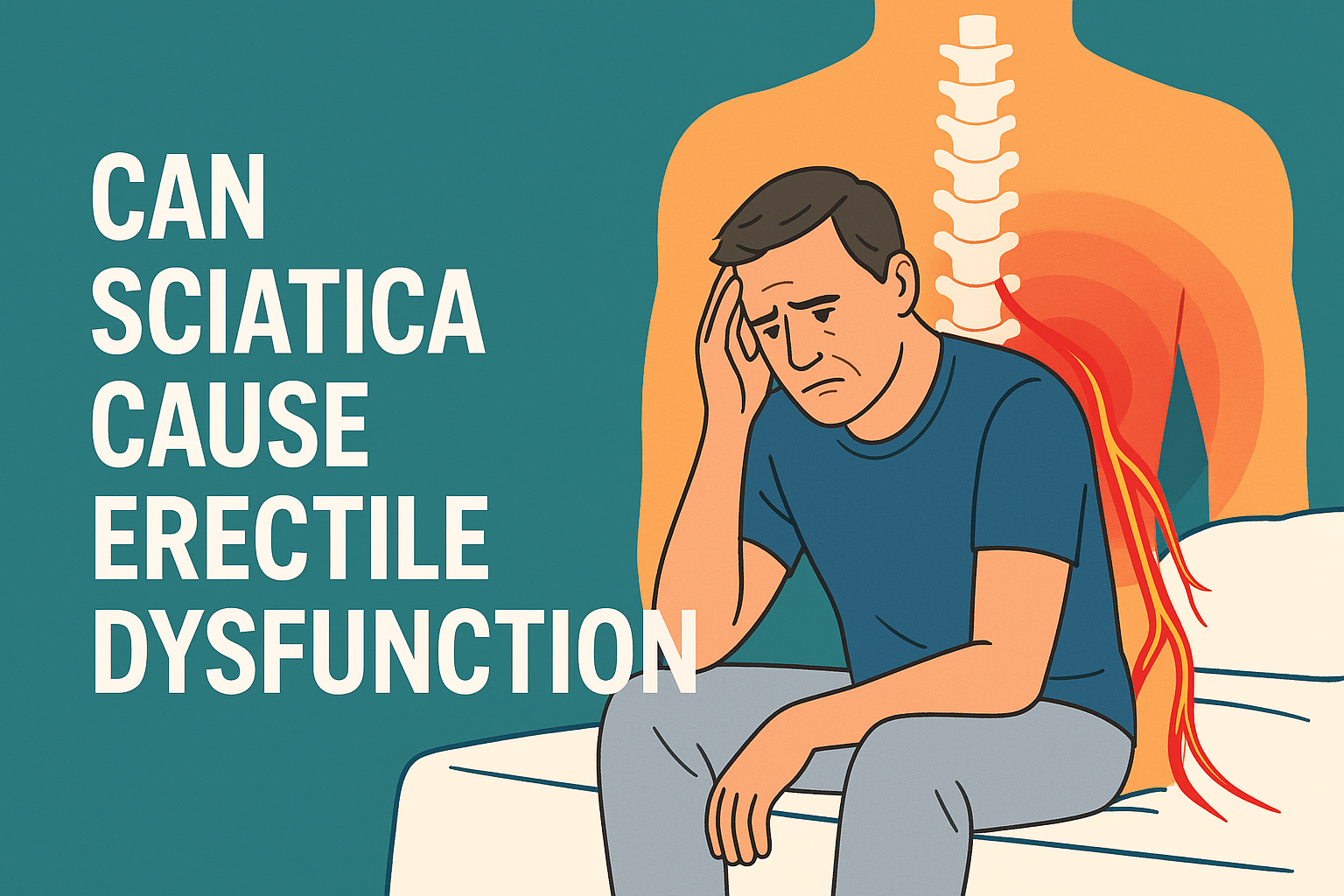
Sciatica is a common condition that causes pain radiating along the sciatic nerve, a large nerve that runs from the lower back down through the hips, buttocks, and legs. While it is often associated with back pain, numbness, or tingling sensations in the legs, many men are surprised to learn that sciatica may also affect sexual function. One of the frequently asked questions is: Can sciatica cause erectile dysfunction (ED)?
The short answer is yes — in certain cases, sciatica can contribute to erectile dysfunction, though it is not a direct cause in most people. Because the sciatic nerve and nearby spinal structures influence nerve signals that control erections, injury or inflammation in this region can disrupt normal function. This article explores the relationship between sciatica and ED, the biological mechanisms behind it, and how to manage both conditions effectively.
What Is Sciatica
Sciatica is not a disease itself but a symptom of an underlying problem that affects the sciatic nerve or the spinal roots from which it originates. This nerve begins in the lower spine (L4 to S3 vertebrae) and is the longest and thickest nerve in the body. It controls movement and sensation in the thighs, legs, and feet.
When this nerve becomes compressed, irritated, or inflamed — typically due to a herniated disc, spinal stenosis, or muscle spasm — pain radiates along its pathway. This pain can range from mild discomfort to severe burning or shooting sensations. In addition to leg pain, sciatica can cause weakness, tingling, and even difficulty controlling muscles in the lower body.
What Is Erectile Dysfunction
Erectile dysfunction (ED) is the persistent inability to achieve or maintain an erection sufficient for sexual intercourse. It can stem from physical, psychological, or neurological causes. For an erection to occur, nerve signals must travel from the brain and spinal cord to the penile tissues, triggering blood vessel dilation and increased blood flow.
When this complex pathway is interrupted — by nerve damage, reduced blood circulation, or hormonal imbalance — erectile difficulties can occur. Because the spinal nerves involved in sciatica also contribute to erectile function, problems in this region can sometimes lead to ED.
How Sciatica Can Cause Erectile Dysfunction
The connection between sciatica and ED lies in the shared nerve pathways and neurological control between the spine, pelvis, and genital organs. Let’s look at how this works.
1. Nerve Compression in the Lower Spine
The spinal roots that give rise to the sciatic nerve (especially the sacral nerves S2, S3, and S4) also control the muscles and blood vessels involved in erections. If a herniated disc or bone spur compresses these nerve roots, the communication between the brain and erectile tissue can be disrupted. This may lead to weakened nerve signals or complete loss of sensation in the genital area.
Compression of the sacral nerves can also affect the pudendal nerve, which directly controls penile erections. As a result, some men with severe sciatica experience partial or complete erectile dysfunction until the nerve irritation is resolved.
2. Reduced Blood Flow and Circulation
Sciatica-related nerve inflammation often affects the muscles in the lower back and pelvic region. Prolonged tension or compression in these muscles can restrict blood flow to nearby arteries that supply the pelvic organs. Poor circulation in this region makes it difficult for the penis to receive the blood it needs to achieve or sustain an erection.
Even mild but chronic pressure on pelvic blood vessels can lead to reduced oxygen delivery to tissues, further aggravating erectile problems.
3. Pelvic Floor Dysfunction
Chronic sciatic pain can lead to muscle imbalances, especially in the pelvic floor muscles that support the bladder, rectum, and sexual organs. Over time, these muscles may become too tight or weak, leading to reduced control over the muscles that initiate erections and ejaculation. Pelvic floor dysfunction is one of the lesser-known but important ways sciatica contributes to ED.
4. Psychological Impact
Chronic pain is not just a physical burden—it also takes a psychological toll. Men suffering from long-term sciatica often experience stress, anxiety, or depression due to ongoing discomfort and reduced mobility. These mental health factors significantly increase the risk of psychogenic erectile dysfunction, where the body’s ability to respond to arousal is hindered by emotional distress.
Fear of pain during intimacy can also create performance anxiety, reinforcing a cycle of avoidance and worsening ED symptoms.
How Common Is ED in People with Sciatica
While not everyone with sciatica develops erectile dysfunction, studies have shown a noticeable overlap between chronic lower back conditions and sexual problems. Research published in the Spine Journal found that men with lumbar disc herniation or spinal nerve compression reported higher rates of sexual dysfunction, including reduced erectile strength and frequency.
In severe cases involving lumbar spinal stenosis or cauda equina syndrome (compression of multiple lower spinal nerves), ED can occur suddenly and may indicate a serious medical emergency. Prompt treatment is necessary in such situations to prevent permanent nerve damage.
Symptoms That Suggest a Nerve-Related Cause of ED
If your erectile dysfunction is accompanied by the following symptoms, it could be related to nerve compression from sciatica or other spinal issues:
- Numbness or tingling in the groin, buttocks, or legs
- Shooting pain down one or both legs
- Weakness or difficulty moving the leg or foot
- Lower back stiffness or pain that worsens with movement
- Loss of sensation around the inner thighs or genitals
If any of these occur alongside erectile difficulties, it’s important to seek medical attention to identify whether the cause is neurological or circulatory.
Can Sciatica Surgery Affect Erectile Function
Surgery for sciatica, such as lumbar decompression or discectomy, is designed to relieve pressure on compressed nerves. In most cases, it helps restore normal nerve function and alleviates symptoms, including those affecting sexual health.
However, as with any spinal procedure, there are risks. Rarely, surgical complications such as nerve damage, scar tissue formation, or infection can temporarily worsen erectile function. Fortunately, when performed by skilled surgeons, most patients experience significant pain relief and often regain sexual function within a few months of recovery.
Diagnosing the Cause of Erectile Dysfunction in Sciatica Patients
Determining whether ED is caused by sciatica or another factor requires a comprehensive evaluation. Your doctor may perform:
- Physical examination: To assess back pain, reflexes, and nerve sensitivity in the pelvic region.
- Neurological testing: To check for loss of sensation or muscle weakness caused by spinal nerve compression.
- Imaging studies: MRI or CT scans to visualize herniated discs, spinal stenosis, or nerve impingement.
- Blood tests: To evaluate hormone levels and rule out diabetes or cardiovascular disease.
- Urological evaluation: To ensure that the erectile dysfunction is not primarily vascular or hormonal.
A multidisciplinary approach involving both neurologists and urologists provides the most accurate diagnosis.
Treatment Options
Treatment for sciatica-related erectile dysfunction focuses on relieving nerve pressure, restoring blood flow, and addressing psychological factors. Depending on the underlying cause, your doctor may recommend a combination of medical, physical, and lifestyle-based interventions.
1. Physical Therapy and Exercise
Targeted physical therapy helps relieve pressure on the sciatic nerve, improve posture, and strengthen the core and pelvic floor muscles. Gentle stretching exercises such as hamstring stretches, pelvic tilts, and yoga poses like the child’s pose can improve flexibility and circulation.
A physical therapist can design a personalized program that restores mobility while minimizing nerve irritation. Strengthening the pelvic muscles also enhances sexual performance by improving control over erections and ejaculation.
2. Pain and Inflammation Management
Managing inflammation in the sciatic nerve is essential. Treatment may include:
- Nonsteroidal anti-inflammatory drugs (NSAIDs)
- Corticosteroid injections for severe inflammation
- Heat and cold therapy
- Muscle relaxants to reduce spasms
Reducing pain and inflammation helps restore normal nerve communication between the spine and pelvic organs.
3. Chiropractic and Alternative Therapies
Some patients find relief from sciatica symptoms through chiropractic adjustments, acupuncture, or massage therapy. These approaches can improve spinal alignment and blood flow, indirectly helping with erectile function. However, such treatments should always be performed by qualified professionals familiar with nerve-related conditions.
4. Psychological and Sexual Therapy
Because chronic pain can cause stress and anxiety, psychological counseling or sex therapy can play an important role in recovery. Cognitive-behavioral therapy (CBT) and mindfulness techniques help patients manage pain perception and rebuild sexual confidence.
Addressing emotional well-being often improves erectile performance even when physical symptoms persist.
5. Medical Treatments for ED
If nerve recovery is slow, your doctor may recommend erectile dysfunction medications such as sildenafil (Viagra®), tadalafil (Cialis®), or vardenafil (Levitra®). These medications improve blood flow to the penis, temporarily overcoming the circulation issues caused by nerve dysfunction.
In more persistent cases, options like vacuum erection devices, penile injections, or testosterone replacement therapy may be considered under medical supervision.
6. Surgical Intervention
If conservative treatments fail and imaging confirms severe nerve compression, surgical decompression may be necessary. Relieving the pressure on the spinal or pudendal nerves often restores normal function and sensation in the pelvic region, improving erectile performance over time.
Preventing Erectile Dysfunction When You Have Sciatica
While not all cases of sciatica can be prevented, adopting healthy lifestyle habits can reduce both back pain and ED risk.
- Maintain proper posture: Avoid sitting for long hours without breaks.
- Exercise regularly: Strengthen core and pelvic muscles to support the lower spine.
- Eat a balanced diet: Nutrients like omega-3s, magnesium, and vitamin B12 support nerve health.
- Avoid smoking and excess alcohol: Both impair blood flow and nerve function.
- Manage stress: Chronic stress worsens pain and contributes to psychogenic ED.
These preventive measures support overall vascular and neurological health, minimizing the chance of developing erectile dysfunction alongside sciatica.
When to Seek Emergency Care
In rare cases, erectile dysfunction accompanied by sciatica can signal a serious condition known as cauda equina syndrome — a medical emergency caused by severe compression of spinal nerves. Seek immediate medical attention if you experience:
- Loss of bladder or bowel control
- Numbness in the inner thighs or groin (“saddle anesthesia”)
- Sudden or severe weakness in the legs
Prompt treatment is critical to prevent permanent nerve and sexual function loss.
Final Thoughts
Sciatica and erectile dysfunction are closely linked through shared nerve pathways and vascular systems. While sciatica doesn’t always cause ED, chronic nerve compression in the lower spine can interfere with the nerve signals and blood flow necessary for erections. In most cases, treating the underlying cause of sciatica leads to significant improvement in sexual function.
Combining medical therapy, physical rehabilitation, and psychological support ensures the best outcomes for both pain management and erectile health. Early diagnosis and treatment are key—addressing sciatic pain not only improves mobility but can also restore confidence and satisfaction in your intimate life.