
This article is for informational purposes only and should not be considered dietary advice. Always consult a registered dietitian or healthcare professional before making changes to your diet.
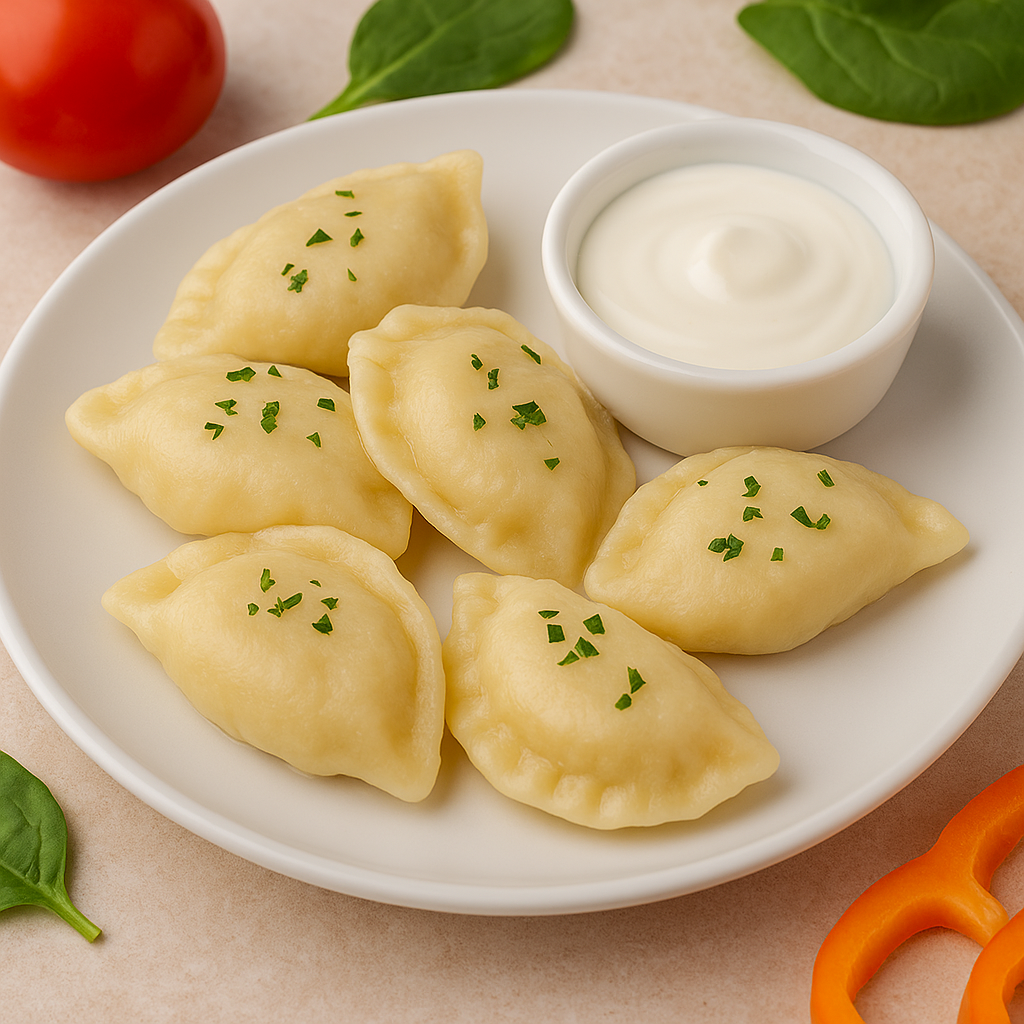
Pierogies are one of those comfort foods that instantly warm the heart — soft dumplings stuffed with flavorful fillings like potatoes, cheese, or meat, often served with butter or sour cream. They’re a staple of Eastern European cuisine, loved around the world for their satisfying taste and homemade charm. But when it comes to weight loss, most people assume pierogies are off-limits because of their carb-heavy dough and rich fillings.
The good news? Not necessarily. The way you prepare pierogies makes a big difference in how healthy they are. While fried pierogies are undeniably delicious, boiled pierogies are a lighter alternative that can fit into a balanced diet — if eaten mindfully.
In this article, we’ll explore whether boiled pierogies can actually be part of a weight-loss plan. You’ll learn how they compare to fried versions, what nutrients they offer, and how to prepare them in a way that supports your health goals.
What Are Pierogies Made Of?
Pierogies are simple in concept but hearty in nutrition. Traditionally, they’re made with a soft dough of flour, water, and eggs, then filled with ingredients such as mashed potatoes, cheese, sauerkraut, meat, or fruit. They’re typically boiled and sometimes pan-fried afterward for texture.
From a nutritional standpoint, pierogies are rich in carbohydrates because of their dough base. A single serving of classic potato-and-cheese pierogies provides:
- Around 250–300 calories (for 4–5 pieces)
- 40–50 grams of carbohydrates
- 6–8 grams of protein
- 5–8 grams of fat, depending on the filling
Homemade pierogies are often the healthiest option since you control the ingredients — you can use whole-wheat flour, low-fat cheese, or lean meats to improve their nutritional value. On the other hand, store-bought or restaurant pierogies may contain preservatives, refined flour, and excess sodium, making them less ideal for weight-conscious diets.
The key takeaway: pierogies themselves aren’t inherently unhealthy. It’s their ingredients and cooking method that determine whether they support or hinder your weight loss goals.
Boiled vs. Fried Pierogies: The Calorie Difference
The way pierogies are cooked can completely change their calorie count and nutritional value. Boiling is the most traditional — and by far the healthiest — way to prepare them, while frying adds unnecessary fat and calories that can slow down weight loss progress.
When you boil pierogies, they’re cooked gently in water until tender, preserving their flavor without adding oil or butter. A standard serving of 4–5 boiled pierogies (potato and cheese filling) contains around 250–300 calories, with minimal added fat. This makes them a filling yet relatively light meal when paired with vegetables or lean protein.
In contrast, fried pierogies can easily jump to 400–500 calories per serving because of the oil absorbed during cooking. Even a light pan-fry can add an extra 100–150 calories, especially if butter or creamy sauces are used.
Beyond the calories, boiling also helps retain more nutrients from both the dough and the filling. Frying at high temperatures can degrade certain vitamins and make the dish heavier to digest.
So, if your goal is to lose weight without giving up your favorite foods, boiling pierogies is the smarter option. It gives you the same comfort and taste — minus the extra fat and guilt.
Are Boiled Pierogies Healthy for Weight Loss?
Boiled pierogies can fit into a weight loss plan — but like most comfort foods, it depends on how you eat them and what you eat them with. While they aren’t a low-calorie superfood, they can still be part of a balanced diet when portioned correctly and paired with nutritious sides.
The Benefits
Lower in fat and calories: Boiling pierogies instead of frying them cuts out most of the oil and butter that usually make them heavy. This alone makes them a much lighter meal option.
Steady energy from complex carbs: The dough, made from flour and potatoes, provides carbohydrates that give you lasting energy. When eaten in moderation, they can help fuel your day without major blood sugar spikes.
Satisfying and comforting: Including familiar foods like pierogies can make healthy eating feel sustainable. Feeling satisfied is key to avoiding binge eating or cravings later on.
The Limitations
Low in fiber and protein: Most pierogies are primarily carbs. Without a good source of protein or fiber on the side, they may not keep you full for long.
Easy to overeat: Their soft texture and comforting flavor can make portion control tricky, especially if paired with creamy sauces or toppings.
Sodium in packaged versions: Store-bought pierogies often have added salt and preservatives, which can lead to water retention or bloating.
Verdict
Boiled pierogies aren’t off-limits for weight loss — they just need balance. Eat them in moderation, combine them with high-fiber vegetables or lean protein, and skip the heavy sauces. That way, you get the satisfaction of a traditional meal without slowing your progress.
Tips to Make Pierogies Weight-Loss Friendly
You don’t have to give up pierogies to eat healthy — you just have to be smart about how you prepare and serve them. With a few small changes, these comforting dumplings can easily fit into a balanced, calorie-conscious diet.
1. Choose Whole-Grain or High-Fiber Dough
If you make pierogies at home, swap regular white flour for whole-wheat flour or add a bit of oat flour. The extra fiber slows digestion, helps regulate blood sugar, and keeps you feeling full longer.
2. Lighten the Filling
Go for fillings that are lower in calories and higher in nutrients. Replace heavy mashed potatoes and cheese with cauliflower mash, lentils, mushrooms, or low-fat cottage cheese. These options provide volume and texture without excess calories.
3. Keep Portions in Check
Stick to 3–5 pierogies per meal, depending on your calorie needs. Pair them with a large portion of vegetables to make your meal more filling without adding many calories.
4. Skip Butter and Sour Cream
Traditional toppings like butter or full-fat sour cream can quickly double your calorie intake. Instead, try non-fat Greek yogurt, herbed olive oil spray, or a squeeze of lemon for flavor.
5. Add Protein and Veggies on the Side
Balance your plate with grilled chicken, tofu, or fish, along with non-starchy vegetables like broccoli, spinach, or bell peppers. The added protein and fiber will prevent hunger pangs and stabilize your energy levels.
6. Go Homemade When Possible
Store-bought pierogies often contain extra sodium and preservatives. Making your own allows you to control ingredients, reduce salt, and use healthy fats like olive oil instead of butter.
With these adjustments, pierogies go from indulgent to practical — a comfort food that supports your goals instead of setting them back.
Healthy Pairings and Meal Ideas
Pierogies on their own may not be the most balanced meal, but pairing them with the right sides and proteins can turn them into a wholesome, satisfying dish that supports your weight-loss goals. The idea is to combine them with foods that add fiber, protein, and nutrients without piling on extra calories.
1. Boiled Pierogies with Steamed Greens and Grilled Chicken
A classic, balanced plate. Pair 3–4 boiled pierogies with grilled chicken breast and a side of steamed spinach or broccoli. The added protein and fiber keep you full longer while keeping your total calories under control.
2. Pierogies in Vegetable Broth
Transform pierogies into a light soup by serving them in a bowl of low-sodium vegetable or chicken broth with chopped carrots, celery, and kale. This makes the meal more filling without adding many calories.
3. Breakfast Pierogies with Egg Whites and Spinach
For a high-protein breakfast twist, combine boiled pierogies with scrambled egg whites and sautéed spinach. It’s hearty yet balanced — and a great option for post-workout recovery.
4. Pierogies with Roasted Vegetables
Toss colorful vegetables like zucchini, peppers, and cherry tomatoes in olive oil spray and roast them. Serve with your pierogies to add volume, fiber, and nutrients to your meal.
5. Cottage Cheese and Pierogy Bowl
Top boiled pierogies with a scoop of low-fat cottage cheese and chopped herbs like dill or parsley. It mimics the creamy texture of sour cream but adds more protein and fewer calories.
6. Pierogies with Tofu Stir-Fry
If you prefer a vegetarian pairing, try grilled tofu with a side of mixed veggies and a few boiled pierogies. It’s nutrient-dense, high in protein, and easy to digest.
When you structure your plate this way — half vegetables, one-quarter protein, one-quarter pierogies — you get a balanced, satisfying meal that supports both taste and weight management.
When Pierogies May Not Support Weight Loss
Even though boiled pierogies are a lighter version, they can still hinder your progress if eaten the wrong way. Certain habits and combinations can quickly turn a reasonable meal into a calorie-dense dish that works against your goals.
1. Eating Large Portions
Portion size matters most when it comes to calorie balance. Eating 8–10 pierogies in one sitting can easily exceed 500–600 calories, especially if they’re paired with sauces or toppings. Even healthy foods can lead to weight gain when eaten in excess.
2. Using Heavy Sauces and Toppings
Pierogies are often served with butter, fried onions, sour cream, or bacon bits — all of which add significant fat and calories. A few tablespoons of butter or cream can double your meal’s calorie count and slow down digestion.
3. Relying on Processed or Frozen Varieties
Many frozen pierogies are made with refined white flour, full-fat cheese, and high-sodium fillers. They’re convenient but often lack fiber and contain preservatives that make them less diet-friendly. Reading labels carefully is key if you’re buying pre-made ones.
4. Eating Pierogies Without Protein or Vegetables
A plate of plain boiled pierogies is mostly carbs. Without a source of protein or fiber — such as grilled chicken, tofu, or vegetables — you’ll likely feel hungry again within a few hours, which can lead to overeating later.
5. Making Them a Daily Habit
Even when prepared healthily, pierogies should be treated as an occasional meal, not a staple. Their high carbohydrate content means they’re best enjoyed once or twice a week within a balanced diet.
The bottom line: pierogies can be enjoyed guilt-free, but balance and moderation are non-negotiable. Combining them with nutrient-rich sides and keeping portions under control ensures they complement — not compromise — your weight-loss journey.
Final Verdict: Can You Eat Pierogies and Still Lose Weight?
Yes — you can absolutely enjoy boiled pierogies and still lose weight, as long as you keep portions sensible and balance your meal with the right foods. Weight loss is not about cutting out your favorite dishes completely; it’s about moderation, mindful eating, and the way those foods fit into your overall daily intake.
Boiled pierogies are lower in calories and fat than fried versions, making them a much smarter choice for anyone watching their weight. When paired with lean protein and fiber-rich vegetables, they become part of a satisfying, nutritionally balanced meal that keeps you full without overloading your system with excess calories.
The key is to treat pierogies as an occasional addition, not a daily staple. Aim for smaller portions — three to five pieces — and avoid toppings like butter, bacon, or full-fat sour cream. Instead, use light alternatives such as Greek yogurt or olive oil spray to add flavor without sabotaging your progress.
In essence, boiled pierogies can be both comforting and compatible with a healthy eating plan. They won’t make or break your results — what matters is your total lifestyle, including what you eat the rest of the day, how active you are, and how consistent you remain with your goals.