
This article is for informational purposes only and does not substitute professional medical advice. Always consult a qualified healthcare provider before making any decision about surgery or treatment.
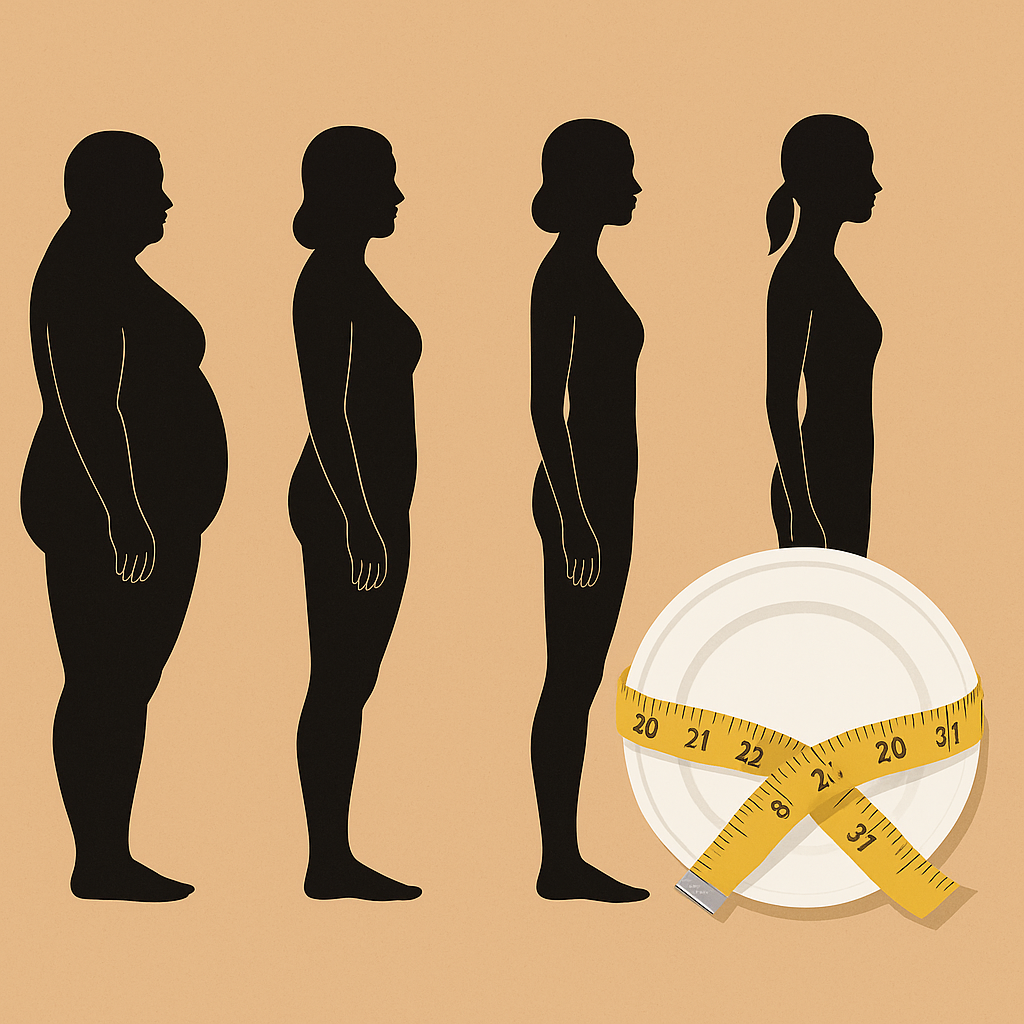
For many people struggling with severe obesity, diet and exercise alone often aren’t enough to achieve lasting results. That’s where gastric sleeve surgery, also known as sleeve gastrectomy, becomes an option. It’s one of the most commonly performed bariatric surgeries worldwide — and for good reason. By permanently reducing the size of the stomach, the procedure helps patients feel full faster, eat less, and lose a significant amount of excess body weight over time.
But how much weight can you actually expect to lose after gastric sleeve surgery? While results vary from person to person, most patients experience a steady and measurable drop in weight over the months following the procedure. This article explains the average weight loss timeline, factors that affect individual results, and how to maintain long-term success after surgery.
Understanding Gastric Sleeve Surgery
Gastric sleeve surgery, medically known as sleeve gastrectomy, is one of the most popular bariatric procedures for weight loss. It involves permanently removing nearly three-quarters of the stomach, leaving behind a narrow, tube-shaped pouch that resembles a banana.
This smaller stomach size means patients can eat less food while still feeling full. But the surgery does more than restrict volume — it also influences the body’s hunger hormones. The portion of the stomach that produces ghrelin, often called the “hunger hormone,” is removed, which helps reduce appetite naturally.
Unlike gastric bypass, gastric sleeve surgery doesn’t reroute the intestines or alter how nutrients are absorbed. That makes it less complex and typically easier to manage post-surgery while still delivering substantial weight-loss results.
By combining mechanical restriction and hormonal balance, the gastric sleeve helps patients lose weight steadily and maintain it over time, provided they follow medical advice, nutrition plans, and lifestyle adjustments.
Average Weight Loss Timeline After Gastric Sleeve
Weight loss after gastric sleeve surgery happens in phases. It’s both rapid and progressive, with most patients noticing visible changes within weeks, followed by gradual, sustained loss over months. However, every body responds differently based on age, metabolism, and adherence to post-surgery guidelines.
Here’s what most patients can expect after surgery:
First 3 Months: Rapid Drop
During the first few months, weight loss is the fastest. Patients typically lose about 25–35% of their excess body weight. This early phase is driven by a strict liquid or soft food diet, a major calorie deficit, and the body’s initial adjustment to a smaller stomach.
It’s also when hormonal shifts — particularly reduced ghrelin levels — significantly lower appetite.
6 Months After Surgery: Steady Progress
At around the six-month mark, patients often reach 45–55% of their excess weight loss. Eating habits start to normalize, with gradual reintroduction of solid foods and increased protein intake. Energy levels improve, allowing for more consistent exercise routines.
12 Months After Surgery: Major Milestone
By the end of the first year, most individuals achieve around 60–70% of their excess body weight loss. This is when patients often experience noticeable changes in appearance, mobility, and health parameters such as blood pressure, cholesterol, and blood sugar levels.
18–24 Months: Long-Term Results
Weight loss usually slows down after the first year but continues gradually. Many patients lose up to 75–80% of their excess body weight within two years. At this stage, maintaining results depends heavily on following dietary recommendations, staying active, and keeping up with follow-up appointments.
It’s important to remember that while these averages provide a benchmark, individual results vary. Some people may lose weight faster or slower based on their starting BMI, metabolic rate, and lifestyle discipline after surgery.
Factors That Influence Weight Loss Results
While gastric sleeve surgery provides a strong foundation for weight loss, the results aren’t identical for everyone. Several factors—both physiological and behavioral—affect how quickly and how much weight you lose after the procedure. Understanding these variables helps set realistic expectations and encourages long-term success.
1. Starting BMI and Overall Health
Patients with a higher starting Body Mass Index (BMI) often lose more total pounds, but the percentage of excess weight lost may be slightly lower compared to those with a moderate BMI. Pre-existing conditions such as thyroid disorders, diabetes, or hormonal imbalances can also influence the rate of weight loss.
2. Age and Gender
Younger patients tend to experience faster metabolic responses, while metabolism naturally slows with age. Men usually lose weight more quickly than women because they generally have more lean muscle mass, which burns calories even at rest.
3. Diet and Nutritional Discipline
A balanced, high-protein, low-carb diet is critical for maintaining steady progress. Consistent hydration, portion control, and mindful eating help prevent weight-loss plateaus. Skipping meals or consuming calorie-dense, processed foods can slow or reverse results.
4. Physical Activity
Exercise is one of the strongest predictors of long-term success. Even light movement, such as walking or swimming, supports fat loss and preserves muscle mass. Over time, integrating strength training helps improve metabolism and prevents loose skin.
5. Mental and Emotional Health
Bariatric surgery changes not just the body but also the relationship with food. Emotional eating, stress, or depression can interfere with progress. Behavioral therapy or support groups can make a significant difference in maintaining motivation.
6. Medical Follow-ups and Support
Regular post-operative appointments with a bariatric team, including surgeons, dietitians, and counselors, help monitor nutritional levels and identify issues early. Patients who stay engaged with follow-up care generally achieve better and more consistent results.
Expected vs. Realistic Results
It’s natural to have high expectations after undergoing gastric sleeve surgery, especially when early results are dramatic. However, the most successful patients understand that weight loss is not a straight line — it’s a gradual journey that combines surgery, nutrition, and lifestyle changes.
Setting the Right Expectations
Most patients lose about 60–70% of their excess body weight within the first 12 to 18 months after surgery. Some achieve even greater results, while others may lose slightly less. The key difference often lies in how consistently they follow dietary recommendations, maintain physical activity, and attend follow-up visits.
Gastric sleeve surgery should be viewed as a tool, not a guarantee. It creates a physical change that supports healthier habits, but long-term success depends on sustaining those habits day after day.
Understanding Weight-Loss Plateaus
It’s common to experience plateaus — periods when weight loss temporarily stops despite maintaining a healthy routine. These are normal and occur as the body adjusts to a lower calorie intake and new metabolism levels. Staying consistent with food tracking, exercise, and hydration usually helps restart progress.
Avoiding Unrealistic Goals
While the numbers may sound impressive, it’s important to focus on overall health improvement rather than just scale readings. Energy levels, mobility, and confidence often improve faster than the total weight lost. Trying to rush results through extreme diets or overexertion can do more harm than good.
Long-Term Perspective
The goal isn’t to reach a certain number quickly — it’s to maintain a healthy, stable weight for life. A realistic approach, patience, and ongoing commitment to lifestyle changes make the difference between temporary weight loss and permanent transformation.
Beyond the Scale: Other Health Benefits
The success of gastric sleeve surgery isn’t measured only by the number on the scale. For many patients, the most significant improvements are in overall health, energy, and quality of life. Weight loss often triggers positive changes throughout the body — sometimes within weeks of surgery.
Improved Metabolic Health
Losing excess fat helps the body regulate insulin and blood sugar levels more effectively. Many patients with type 2 diabetes notice reduced medication dependence or even remission. Cholesterol levels and blood pressure also tend to stabilize, lowering the risk of heart disease and stroke.
Better Sleep and Breathing
Gastric sleeve surgery can dramatically improve sleep apnea, a condition where breathing repeatedly stops during sleep. As weight decreases, airways remain open more easily, leading to deeper, more restorative rest and less daytime fatigue.
Relief from Joint and Back Pain
Carrying less weight reduces stress on the spine, knees, and hips. This often results in decreased pain, improved mobility, and a higher ability to engage in physical activity — creating a positive cycle that supports continued weight management.
Improved Fertility and Hormonal Balance
Women who struggled with fertility due to polycystic ovary syndrome (PCOS) often experience more regular menstrual cycles and improved fertility after surgery. Balanced hormones can also contribute to better mood and energy levels.
Boosted Mental Health and Self-Esteem
Beyond physical transformation, many people report higher confidence, improved social interactions, and lower anxiety levels. As the body heals and adapts, mental wellness often follows, encouraging sustainable lifestyle changes.
These health improvements often motivate patients to stay committed to new eating and exercise habits — reinforcing long-term success beyond weight loss alone.
Maintaining Long-Term Weight Loss
The real challenge of gastric sleeve surgery begins after the initial weight loss phase — keeping the results. While the procedure offers a powerful start, maintaining progress depends on consistent habits and long-term commitment. Patients who treat their surgery as the beginning of a lifestyle change, not a one-time fix, are the ones who achieve lasting success.
Follow a Structured Post-Op Diet
After surgery, your digestive system undergoes major changes. Following the recommended diet stages — from liquids to soft foods and then solids — is critical. Once the diet stabilizes, meals should emphasize lean protein, vegetables, and high-fiber foods, while limiting sugars and processed carbs. Eating slowly and stopping at the first sign of fullness prevents overeating.
Stay Physically Active
Exercise doesn’t need to be intense to be effective. Start with low-impact activities like walking, cycling, or swimming. Gradually include strength training to preserve muscle mass and support metabolism. Regular movement helps prevent weight regain and improves mental health.
Prioritize Mental and Emotional Wellness
Weight loss can stir emotional changes. Joining support groups, seeking therapy, or maintaining contact with your bariatric care team helps address stress, self-image, or food-related emotions. Mental stability plays a crucial role in maintaining physical progress.
Routine Follow-Ups and Nutritional Monitoring
Even years after surgery, consistent check-ins with your healthcare provider are vital. These visits monitor your vitamin and mineral levels, metabolic health, and weight trends. Patients who attend regular follow-ups typically sustain better outcomes over time.
Adopt a Lifelong Perspective
Long-term success is not about perfection but consistency. Occasional setbacks happen, but returning quickly to healthy habits prevents minor slips from becoming reversals. Remember, the gastric sleeve is a long-term tool — how well it works depends on how you use it.
When Weight Loss Slows or Stops
Almost every gastric sleeve patient experiences a point when the scale stops moving — sometimes for weeks. These plateaus can be discouraging, but they’re a normal part of the weight-loss process. Understanding why they happen and how to respond helps you stay on track and avoid unnecessary frustration.
Why Plateaus Happen
After significant weight loss, your body adjusts to its new lower calorie intake. Metabolism naturally slows down to conserve energy — a biological response to perceived “starvation.” Additionally, as you lose weight, your smaller body requires fewer calories to function, so previous eating and activity habits may no longer create the same calorie deficit.
Common Causes of Slowed Progress
- Calorie creep: Gradually eating larger portions or adding high-calorie snacks without noticing.
- Inconsistent exercise: Reduced physical activity or lack of strength training slows metabolism.
- Skipping meals: Irregular eating can trigger hunger spikes and energy dips.
- Insufficient hydration: Dehydration can lead to fatigue and slower metabolism.
- Hormonal changes: Thyroid or reproductive hormone fluctuations may affect weight regulation.
How to Restart Weight Loss
- Track your intake honestly: Use an app or food journal to identify where calories might be increasing.
- Revise your exercise plan: Incorporate resistance training or vary your workouts to challenge your body.
- Prioritize protein: Protein-rich meals maintain muscle mass and help burn calories efficiently.
- Stay hydrated: Aim for at least 1.5–2 liters of water daily unless otherwise advised.
- Consult your care team: Your surgeon or dietitian can identify medical or nutritional issues affecting progress.
When to Seek Help
If you regain more than 10–15% of your lost weight or struggle to restart progress despite best efforts, consult your bariatric team. They may recommend behavioral therapy, medication, or in rare cases, revision surgery.
Remember — temporary slowdowns don’t mean failure. What matters most is consistency, awareness, and early intervention when progress stalls.
Key Takeaway: Is Gastric Sleeve Worth It?
For most people who undergo the procedure, gastric sleeve surgery is absolutely worth it — not because it’s an easy fix, but because it offers a reliable path toward sustainable, long-term health. The average patient loses 60–70% of their excess weight within the first year and often experiences improvements in diabetes, blood pressure, joint pain, and energy levels.
But success depends on perspective. The gastric sleeve isn’t magic — it’s a tool. It reshapes the stomach, but it’s your habits, consistency, and mindset that reshape your future. Those who approach the surgery as the start of a lifestyle transformation, rather than a shortcut, tend to achieve the most fulfilling results.
If you’re considering this surgery, it’s essential to understand that your journey doesn’t end once the operation is over — it begins there. With regular follow-ups, mindful eating, exercise, and support, most patients not only lose weight but also gain control, confidence, and a healthier life.