
This article is intended for informational purposes only and should not be considered medical advice. Always consult a qualified healthcare professional before starting, stopping, or changing any treatment related to prostate health or erectile dysfunction. The information provided here is based on general medical understanding and may not apply to individual cases. If you experience persistent urinary symptoms, pelvic pain, or erection difficulties, seek professional evaluation from a licensed urologist or healthcare provider.
The prostate plays a vital role in male reproductive health, yet it’s often overlooked until problems arise. This small, walnut-sized gland sits just below the bladder, surrounding the urethra — the tube that carries urine and semen out of the body. When the prostate becomes swollen or enlarged, a condition known as benign prostatic hyperplasia (BPH) or sometimes prostatitis, it can lead to a range of urinary and sexual health issues.
One of the most common concerns men report alongside prostate enlargement is erectile dysfunction (ED) — the inability to achieve or maintain an erection firm enough for sexual intercourse. While these two conditions don’t always occur together, many men notice that as their prostate symptoms worsen, their erections become less reliable.
So, can a swollen prostate really cause erectile dysfunction? To answer that, we need to understand the complex relationship between prostate health, nerve function, and sexual performance — and how both medical and psychological factors contribute.
Understanding the Prostate and Its Functions
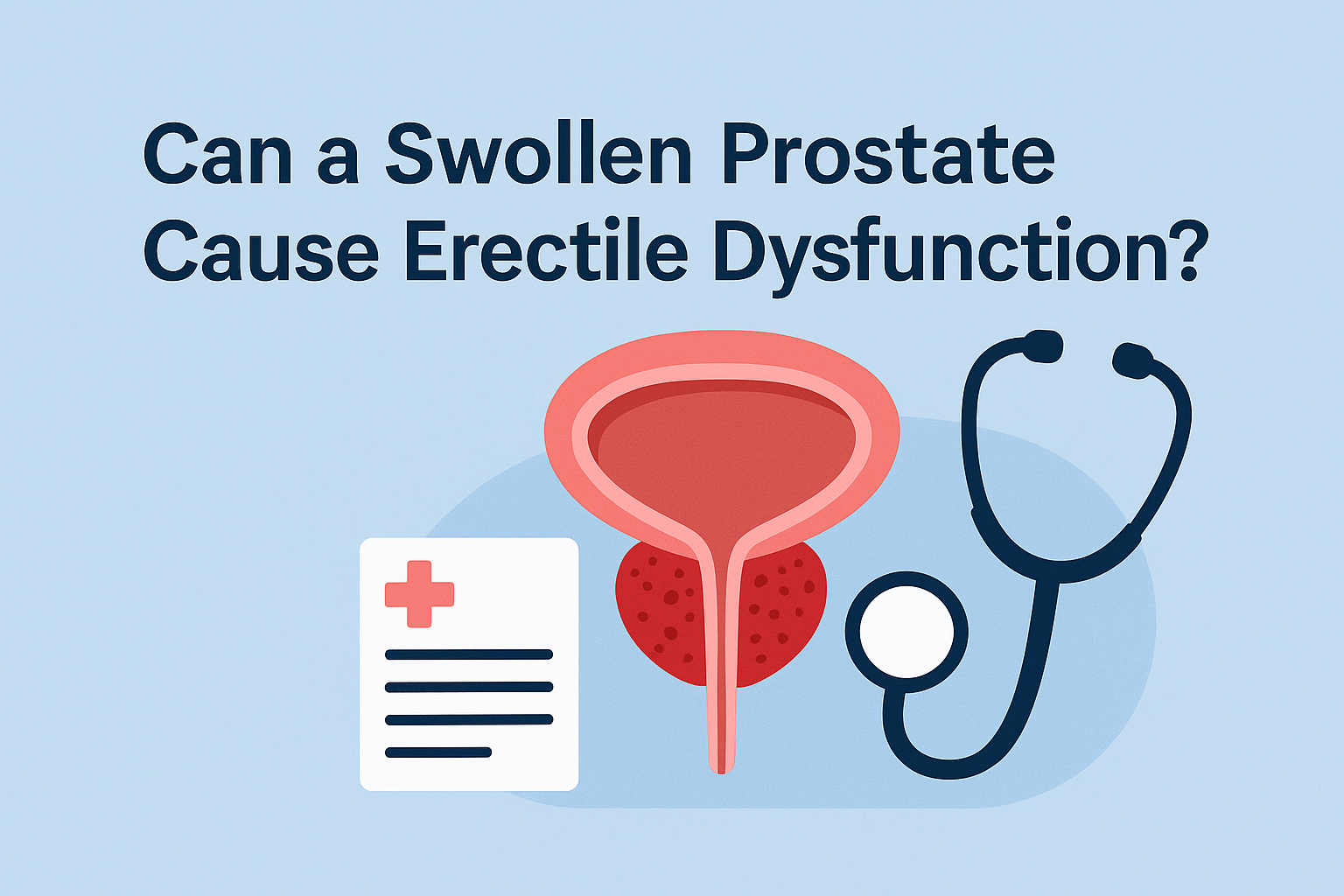
The prostate gland is a small but essential part of the male reproductive system. Located just below the bladder and in front of the rectum, it surrounds the urethra — the tube responsible for carrying urine and semen through the penis.
The prostate’s primary function is to produce seminal fluid, a vital component of semen that nourishes and protects sperm during ejaculation. This fluid mixes with sperm from the testicles and other secretions from the seminal vesicles to aid fertility.
Because of its anatomical position, any change in the prostate’s size or texture can influence both urinary and sexual functions. When the prostate becomes swollen or enlarged, it can press against the urethra and the surrounding blood vessels or nerves. These are the same structures that play key roles in achieving and maintaining an erection.
Thus, understanding how closely the prostate interacts with the urinary tract and pelvic nerves helps explain why swelling in this small gland can sometimes affect erectile health.
What Causes a Swollen Prostate?
A swollen or enlarged prostate isn’t a single disease — it’s a symptom that can result from several different underlying conditions. The three most common are benign prostatic hyperplasia (BPH), prostatitis, and, less commonly, prostate cancer.
Benign Prostatic Hyperplasia (BPH)
BPH is the most common cause of prostate enlargement, especially in men over 50. It occurs when the prostate cells multiply excessively, leading to a gradual increase in the gland’s size. This growth can squeeze the urethra, causing urinary issues such as weak flow, frequent urination, or incomplete bladder emptying.
While BPH is not cancerous, the pressure it creates in the pelvic region can indirectly contribute to sexual dysfunction, including ED and decreased libido.
Prostatitis
Prostatitis refers to inflammation of the prostate, which can be caused by bacterial infection or chronic irritation. It can affect men of any age and may lead to pain in the pelvic area, lower back, or genitals, along with difficulty urinating. The chronic pain and discomfort associated with prostatitis can interfere with sexual desire and performance.
Prostate Cancer
Though less common as a direct cause of swelling, prostate cancer can also enlarge the gland. Treatments for prostate cancer, such as surgery, hormone therapy, or radiation, can affect the nerves and blood vessels responsible for erections. However, this article focuses primarily on BPH and prostatitis, as they are the leading causes of non-cancerous prostate swelling linked to erectile issues.
How a Swollen Prostate Can Affect Sexual Function
A swollen prostate can interfere with erectile function in several interconnected ways. The problem isn’t just physical — it also has neurological and psychological dimensions. Here’s how each factor plays a role:
1. Pressure on Pelvic Nerves and Blood Vessels
The prostate sits at a crucial junction of nerves and blood vessels responsible for erections. When it becomes enlarged, the gland can compress the pelvic nerves or restrict blood flow to the penis. This can make it harder to achieve or maintain an erection, as both healthy nerve signals and adequate circulation are necessary for normal erectile function.
2. Inflammation and Pain
In conditions like prostatitis, inflammation may lead to chronic pelvic pain that can radiate to the lower back, groin, or genital region. This discomfort can reduce sexual desire and make intercourse painful or unpleasant, resulting in performance anxiety and avoidance.
3. Urinary Symptoms Affecting Confidence
Frequent urination, nighttime awakenings, or dribbling — common symptoms of BPH — can indirectly cause erectile issues by disrupting sleep, lowering energy levels, and increasing stress. Men who experience urinary urgency or leakage during intimacy may also feel embarrassed, further reducing libido and self-confidence.
4. Hormonal and Psychological Factors
Long-term prostate problems can elevate stress hormones like cortisol and lower testosterone levels. Combined with anxiety about performance or health, these changes can make erections less reliable, even if physical function remains intact.
In short, the connection between a swollen prostate and ED is both mechanical and emotional. Physical pressure, inflammation, and hormonal imbalance can all contribute, but so can the psychological burden of dealing with chronic urinary or sexual difficulties.
The Link Between Prostate Treatments and Erectile Dysfunction
While a swollen prostate itself can contribute to erectile dysfunction, the treatments used to manage prostate conditions may also affect sexual performance. Understanding these effects helps men make informed choices with their healthcare providers.
1. Medications for BPH (5-Alpha Reductase Inhibitors)
Drugs such as finasteride and dutasteride work by shrinking the prostate and lowering dihydrotestosterone (DHT) levels. However, these medications can sometimes lead to reduced libido, erectile dysfunction, or ejaculation disorders as side effects. These effects are often reversible after discontinuation, but some men may notice lingering symptoms.
2. Alpha-Blockers
Medications like tamsulosin (Flomax®) and alfuzosin relax the muscles in the prostate and bladder neck to improve urine flow. They generally don’t cause ED, but may lead to retrograde ejaculation, where semen enters the bladder instead of exiting through the penis. Though not harmful, it can affect fertility and sexual satisfaction.
3. Surgical Procedures
In more severe cases, surgeries such as TURP (transurethral resection of the prostate) or laser prostatectomy may be required to relieve obstruction. While these procedures can greatly improve urinary symptoms, they may temporarily affect erectile function or ejaculation due to the proximity of surgical areas to erectile nerves. Most men regain function within months, though a small number may experience lasting changes.
4. Hormonal Therapies
When prostate cancer or significant hormonal imbalance is involved, treatments like androgen deprivation therapy (ADT) can lower testosterone levels. This can cause loss of libido, fatigue, and erectile dysfunction. These side effects are generally managed with careful monitoring and additional therapies.
In short, while prostate treatments are essential for restoring urinary and glandular health, they can sometimes affect sexual function as a trade-off. Open discussion with a doctor can help tailor a plan that minimizes sexual side effects while effectively managing prostate symptoms.
How to Manage Erectile Dysfunction Related to Prostate Issues
Erectile dysfunction caused or worsened by prostate problems doesn’t have to be permanent. With proper diagnosis, treatment, and lifestyle adjustments, most men can regain both urinary comfort and sexual confidence. Here are the most effective ways to manage ED linked to prostate conditions:
1. Medical Treatments
Prescription medications like sildenafil (Viagra®), tadalafil (Cialis®), and vardenafil (Levitra®) are commonly used to treat ED. These PDE5 inhibitors enhance blood flow to the penis by increasing nitric oxide activity — a natural vasodilator. They are generally safe for men with prostate conditions, though a doctor must confirm compatibility with other medications like alpha-blockers.
2. Addressing the Root Cause
For prostatitis, antibiotics or anti-inflammatory treatments may relieve pain and swelling, indirectly improving sexual function. For BPH, adjusting or switching medications under medical guidance can help minimize side effects affecting libido or erections.
3. Lifestyle Changes
Healthy daily habits play a major role in maintaining erectile and prostate health:
- Exercise regularly to improve blood circulation.
- Eat a diet rich in fruits, vegetables, and omega-3 fatty acids.
- Limit alcohol and quit smoking to protect vascular health.
- Reduce caffeine and processed foods that may irritate the bladder.
4. Pelvic Floor Therapy
Kegel exercises and physical therapy for the pelvic floor can strengthen the muscles that support urinary and sexual function. Regular practice can improve control, endurance, and even erectile rigidity.
5. Psychological and Emotional Support
Chronic prostate issues can take a toll on self-esteem and relationships. Sex therapy or counseling can help men and their partners manage anxiety, performance stress, and communication difficulties that often accompany ED.
6. Hormonal Evaluation
If low testosterone is suspected, a hormonal blood test can confirm imbalances. Under supervision, testosterone replacement therapy (TRT) may restore energy, libido, and erectile function in certain cases.
By addressing both the physical and psychological aspects, men can often recover normal erectile function while effectively managing prostate-related issues.
When to See a Doctor
Many men hesitate to talk about erectile problems or urinary symptoms, but early consultation with a healthcare professional can make a major difference. Both prostate enlargement and erectile dysfunction can worsen over time if left untreated — and in some cases, they may signal deeper health concerns such as cardiovascular disease or diabetes.
You should consider seeing a urologist or primary care physician if you experience any of the following:
- Difficulty starting or maintaining an erection for several weeks or months
- Frequent or urgent need to urinate, especially at night
- Weak urine flow or difficulty emptying the bladder
- Pain or burning sensation during urination or ejaculation
- Blood in urine or semen
- Pelvic, lower back, or groin pain
A doctor will likely perform a physical exam, review your medical history, and recommend tests such as a PSA (prostate-specific antigen) blood test, urine analysis, ultrasound, or digital rectal exam. These help identify whether the cause is benign (like BPH or prostatitis) or requires more specialized attention.
Getting professional advice not only protects your prostate health but also ensures that any sexual symptoms are treated safely and effectively. With timely care, most men experience significant improvement in both urinary and erectile function.
The Bottom Line
A swollen prostate and erectile dysfunction often occur together, but one doesn’t always directly cause the other. The relationship between the two lies in how nerve pathways, blood flow, and hormonal balance overlap in the pelvic region. When the prostate becomes inflamed or enlarged — whether due to benign prostatic hyperplasia (BPH) or prostatitis — it can interfere with these systems and lead to erection problems.
In addition, some prostate medications and surgeries may temporarily affect sexual function, making open communication with your doctor essential. Fortunately, both conditions are treatable. With the right combination of medical care, lifestyle changes, and psychological support, most men can restore normal sexual health and confidence.
The key takeaway is simple:
Don’t ignore the signs. If you’re experiencing urinary issues or erectile difficulties, seek medical advice early. Prostate problems are common with age, but living with them silently is unnecessary. Timely diagnosis and professional guidance can help you maintain not just prostate health — but overall well-being and quality of life.