
This article is intended for informational purposes only and should not be taken as medical advice. Sea moss and other dietary supplements should be used responsibly and only as part of a balanced lifestyle. Individuals experiencing erectile dysfunction or want to find more about this connection should consult a qualified healthcare professional or urologist for diagnosis and treatment tailored to their specific condition. Never start, stop, or substitute prescribed medication without medical supervision.
Sea moss, also known as Irish moss, has gained popularity in recent years as a superfood packed with minerals and antioxidants. From smoothies to supplements, it’s often promoted as a natural remedy for everything from thyroid issues to improved immunity. Among its many claims, one that has captured particular attention is its supposed ability to enhance male sexual health and even help with erectile dysfunction.
At first glance, it sounds convincing — after all, sea moss is rich in nutrients like zinc, magnesium, and iodine, which are essential for hormone balance and energy production. But can these nutrients actually translate into better erections or improved sexual performance?
This article takes a closer look at what science really says about sea moss and its potential role in supporting erectile function. We’ll explore its nutritional components, how it affects circulation and hormones, and whether it holds any genuine promise for men dealing with erectile dysfunction.
Understanding Erectile Dysfunction
Erectile dysfunction (ED) is more common than most men realize, affecting millions across all age groups. It occurs when the penis cannot achieve or maintain an erection firm enough for sexual activity. While it may sound like a simple mechanical issue, ED is actually a complex condition involving the coordination of the nervous system, hormones, emotions, and, most importantly, blood flow.
How Erections Work
When a man is sexually stimulated, the brain sends signals through the nerves to the blood vessels in the penis. These signals trigger the release of nitric oxide (NO), a chemical that relaxes the smooth muscles in the penile arteries, allowing blood to flow into the spongy chambers known as the corpora cavernosa. As these chambers fill, the veins that normally drain blood constrict, maintaining the erection.
If blood flow is restricted or if the signal from the brain is interrupted, this process doesn’t occur properly — leading to erectile dysfunction.
Common Causes of Erectile Dysfunction
ED can result from a range of factors, often working together. The most common include:
- Vascular problems: Atherosclerosis (hardening of the arteries), hypertension, and diabetes reduce blood flow.
- Hormonal imbalances: Low testosterone levels can lower libido and affect erectile strength.
- Neurological issues: Nerve damage from diabetes or spinal injuries can interrupt arousal signals.
- Psychological factors: Anxiety, depression, and relationship stress can all play a role.
- Lifestyle factors: Smoking, alcohol, obesity, and poor diet further strain blood vessels and heart health.
ED as a Health Indicator
Erectile dysfunction is often an early warning sign of cardiovascular disease. Since the penile arteries are smaller than coronary arteries, blood flow issues tend to appear there first. Persistent ED can therefore indicate broader circulatory or metabolic problems that need medical attention.
Understanding this connection helps explain why nutrients and lifestyle habits that support vascular and heart health — including those found in foods like sea moss — may also contribute indirectly to better erectile function.
What Is Sea Moss?
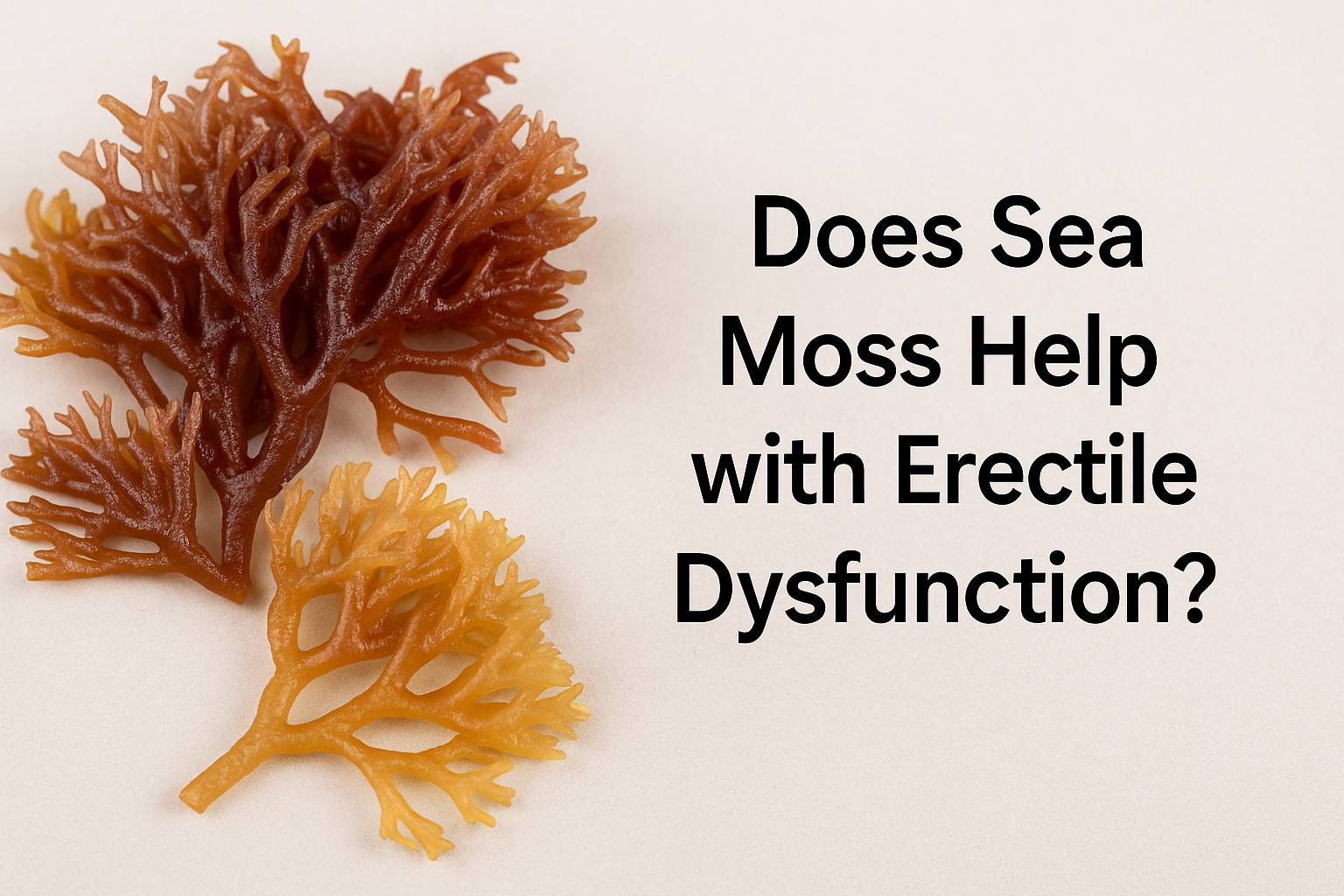
Sea moss, scientifically known as Chondrus crispus or sometimes Gracilaria, is a type of red seaweed found along the rocky coastlines of the Atlantic Ocean — particularly in Ireland, the Caribbean, and parts of North America. It has been used for centuries as both food and traditional medicine, valued for its natural gelling properties and rich mineral content.
Nutritional Profile
Sea moss is often referred to as a “nutrient powerhouse” because it contains over 90 minerals — nearly all the trace elements the human body needs in small amounts. The most notable nutrients include:
- Iodine: Essential for thyroid function and metabolism.
- Zinc: Supports testosterone production and sperm health.
- Magnesium: Helps relax blood vessels and regulate nerve function.
- Potassium: Maintains muscle contractions and nerve signaling.
- Iron: Supports oxygen transport and energy production.
- Calcium and phosphorus: Important for bone and muscle health.
- Antioxidants: Help protect cells from oxidative stress.
Forms and Consumption
Sea moss can be found in several forms, including:
- Raw or dried: Soaked and blended into a gel.
- Powder: Added to smoothies or recipes.
- Capsules or gummies: For easy supplementation.
Many people incorporate sea moss into their diet for its potential benefits to the immune system, digestion, and skin. Recently, however, it has gained attention in men’s health communities as a supposed natural enhancer for sexual vitality and performance — a claim that deserves a closer look.
Claimed Benefits of Sea Moss for Men
Sea moss has become a staple in many men’s health discussions, often labeled as a natural remedy for boosting libido, stamina, and overall vitality. Across social media and supplement marketing, it’s frequently presented as a plant-based alternative to synthetic testosterone boosters or performance enhancers.
Common Claims About Sea Moss and Male Health
- Increases sexual stamina – Sea moss is said to enhance endurance and energy levels, helping men perform better during intercourse.
- Improves testosterone levels – Its zinc content is often linked to better hormonal balance and testosterone production.
- Enhances libido – Supporters claim regular consumption increases sexual desire and overall drive.
- Improves fertility – Some believe its nutrient profile supports sperm health and motility.
- Supports prostate health – Sea moss contains antioxidants and minerals thought to help reduce inflammation in the prostate gland.
What Fuels These Beliefs
The enthusiasm around sea moss largely comes from its impressive nutritional composition. Zinc and magnesium, in particular, play critical roles in male reproductive health — zinc contributes to testosterone synthesis, while magnesium supports blood flow and muscle relaxation. Antioxidants in sea moss may also help protect sperm cells from oxidative stress, which can affect fertility.
However, most of these claims are based on the nutrient content of sea moss rather than direct scientific evidence. There are no clinical studies confirming that sea moss alone improves erectile function or testosterone levels.
The real question, then, is whether these nutrients — even in natural form — can make a measurable difference in erectile performance. That’s where scientific evidence becomes essential.
Scientific Evidence: Does Sea Moss Help with Erectile Dysfunction?
Despite its popularity as a natural supplement, there’s no direct scientific evidence proving that sea moss can treat or prevent erectile dysfunction. Most of the claims linking sea moss to better sexual performance are based on its nutrient composition rather than controlled human studies. Still, some of its components may play an indirect role in supporting factors that contribute to healthy erections.
No Clinical Trials on Sea Moss and ED
To date, no clinical trials have specifically examined the effects of sea moss (Chondrus crispus or Gracilaria) on erectile dysfunction, sexual stamina, or testosterone production. Most research focuses on its antioxidant capacity, immune support, and thyroid-related benefits. Therefore, any suggestion that it improves ED should be viewed as speculative until further evidence emerges.
Indirect Links Through Nutrients
Even though sea moss itself hasn’t been studied for ED, several of its key nutrients have been linked to sexual health:
- Zinc: Essential for testosterone production, sperm count, and libido. Zinc deficiency has been associated with hypogonadism (low testosterone), which can lead to erectile problems.
- Magnesium: Promotes blood vessel relaxation and nitric oxide release — both crucial for erectile function. Low magnesium levels have been tied to poor circulation and higher rates of ED.
- Iodine: Supports thyroid hormone production, which influences metabolism and energy. An underactive thyroid can contribute to fatigue and low libido.
- Antioxidants: Help protect blood vessels and penile tissue from oxidative stress, a major contributor to vascular-related ED.
While these nutrients are beneficial, the concentrations found in a typical serving of sea moss may not be enough to reverse clinically significant erectile dysfunction. They can, however, support overall vascular and metabolic health — two pillars of sexual wellness.
What Experts Say
Most healthcare professionals agree that while nutrient-rich foods like sea moss can complement a balanced diet, they cannot replace medical treatment for ED. Supplements may support health maintenance, but ED often requires addressing underlying causes such as poor cardiovascular health, diabetes, obesity, or hormonal imbalance.
Bottom Line
Sea moss might contribute to better overall wellness through its minerals and antioxidants, but there’s no proof that it directly improves erections or cures erectile dysfunction. Its benefits, if any, are likely indirect — part of a broader pattern of healthier nutrition and lifestyle.
Sea Moss and Cardiovascular Health
Erectile dysfunction and heart health are closely connected — both depend on smooth, consistent blood flow through healthy arteries. Since many cases of ED stem from vascular problems, any food that supports cardiovascular function can indirectly help improve erectile quality. This is where sea moss may offer some potential benefits.
How Sea Moss May Support Heart and Circulatory Health
Sea moss contains compounds that appear to support cardiovascular function in several ways:
- Rich in Potassium and Magnesium
These minerals help regulate heart rhythm, blood pressure, and vascular tone. Magnesium, in particular, improves endothelial function — the ability of blood vessels to relax and dilate — which is crucial for achieving an erection. - Contains Omega-3 Fatty Acids and Antioxidants
Some species of sea moss provide small amounts of omega-3 fatty acids, which are known to reduce inflammation and lower cholesterol. Its antioxidant compounds, such as flavonoids and polyphenols, also help protect the lining of blood vessels from oxidative damage. - May Help Lower Cholesterol and Support Healthy Blood Sugar
Preliminary research on other red seaweeds suggests they may reduce LDL (“bad”) cholesterol and help maintain better blood sugar levels — two major contributors to vascular disease and erectile dysfunction. - Supports Nitric Oxide Function
The minerals in sea moss, particularly magnesium and potassium, indirectly support nitric oxide pathways that relax blood vessels and enhance circulation — mechanisms directly tied to erectile response.
Why This Matters for Erectile Function
Healthy arteries are essential for strong erections. If blood flow to the penis is limited due to plaque buildup, inflammation, or high blood pressure, erectile function will naturally decline. Sea moss’s potential cardiovascular benefits can, therefore, contribute to the foundation of better sexual health — though it’s not a direct treatment.
Evidence Still Limited
While these cardiovascular effects sound promising, most findings are based on general studies of seaweed or in-vitro (laboratory) research, not human clinical trials. More evidence is needed before sea moss can be confidently recommended as part of an ED management plan.
In short, maintaining good heart health is one of the best natural defenses against erectile dysfunction — and sea moss, when used responsibly, may support that goal as part of a balanced diet.
Potential Risks and Side Effects
Although sea moss is often marketed as a completely natural and safe supplement, it’s not risk-free. Like any bioactive substance, it can cause harm when overused or sourced improperly. Understanding these risks is important before making it a regular part of your diet or sexual health routine.
1. Excess Iodine Intake
Sea moss is exceptionally rich in iodine — a mineral essential for thyroid function. However, too much iodine can have the opposite effect, leading to hyperthyroidism (overactive thyroid) or thyroid inflammation. Symptoms may include:
- Rapid heartbeat
- Unexplained weight loss
- Anxiety or irritability
- Tremors or fatigue
Since thyroid hormones also influence energy and metabolism, any imbalance can indirectly affect libido and stamina.
2. Heavy Metal Contamination
Because sea moss grows in marine environments, it can absorb heavy metals such as arsenic, mercury, or lead from polluted waters. Consuming contaminated sea moss over time can lead to toxicity. For this reason, sourcing from reputable suppliers who test for contaminants is critical.
3. Digestive Issues
Some people experience mild bloating, nausea, or diarrhea after consuming sea moss gel or powder, especially when starting supplementation. This is usually due to its high fiber content and mucilaginous (gel-like) texture, which can affect digestion.
4. Allergic Reactions
Although rare, seaweed allergies can occur, leading to itching, swelling, or rash. Individuals with seafood allergies should approach sea moss cautiously and consult a healthcare professional before use.
5. Overreliance on Supplements
While sea moss provides beneficial nutrients, relying on it as a substitute for medical treatment or a balanced diet can delay proper diagnosis and care. Erectile dysfunction, in particular, is often linked to heart disease, diabetes, or hormonal imbalance — conditions that require professional management.
Summary
Sea moss can be part of a healthy diet, but more isn’t always better. Moderation, source quality, and medical supervision are key to ensuring that it contributes positively to your health rather than causing harm.
Safe Ways to Use Sea Moss
If you’re curious about trying sea moss for its nutritional benefits, it’s essential to do so safely. While it can contribute to better general health, especially when used as part of a balanced diet, proper sourcing, preparation, and moderation are key.
1. Recommended Daily Intake
For most adults, a safe amount of sea moss is about 1–2 tablespoons of prepared gel or 1–2 grams of dried sea moss per day. This amount provides a healthy range of minerals without the risk of excessive iodine intake. Overconsumption can disrupt thyroid balance, so moderation is crucial.
2. Choose High-Quality, Tested Sources
Always buy sea moss from reputable suppliers that test for heavy metals and contaminants. Look for organic or wildcrafted sea moss sourced from clean waters, such as the North Atlantic or the Caribbean. Avoid artificially bleached or “pool-grown” varieties, as they may lack nutrients and contain additives.
3. Proper Preparation
If using dried sea moss:
- Rinse it thoroughly to remove sand and salt.
- Soak it in clean water for 12–24 hours until it expands and softens.
- Blend it with fresh water to create a smooth gel.
This gel can be stored in the refrigerator for up to two weeks and added to smoothies, soups, teas, or juices.
4. Combine with a Balanced Diet
Sea moss should not be seen as a cure or primary supplement for erectile dysfunction. Instead, it can complement a diet rich in fruits, vegetables, whole grains, lean proteins, and healthy fats — the foundation for strong vascular and hormonal health.
5. Consult a Healthcare Professional
Before starting any new supplement, especially if you have thyroid disorders, heart disease, or are taking medication, consult a doctor. They can advise on safe dosages and ensure there are no interactions or contraindications.
6. Avoid Overuse and Fad Claims
Many online claims about sea moss improving sexual performance or curing ED are exaggerated. Remember that while it’s nutrient-dense, its role is supportive, not therapeutic. Responsible use ensures that it enhances overall wellness without creating unnecessary risks.
Proven Ways to Manage Erectile Dysfunction
While supplements like sea moss may support overall wellness, erectile dysfunction typically requires a more comprehensive approach. The most effective treatments target the underlying causes — whether vascular, hormonal, psychological, or neurological. Combining medical guidance with healthy lifestyle choices offers the best long-term results.
1. Prescription Medications (PDE5 Inhibitors)
Drugs such as sildenafil (Viagra), tadalafil (Cialis), and vardenafil (Levitra) are proven first-line treatments for ED. They work by enhancing the effects of nitric oxide, which relaxes blood vessels and improves blood flow to the penis. These medications don’t increase libido but make it easier to achieve and sustain an erection when aroused. They are safe for most men under medical supervision but should never be combined with nitrates or recreational drugs.
2. Lifestyle Changes
ED is often an early sign of vascular disease, so improving overall cardiovascular health can significantly help.
- Exercise regularly: Improves blood flow, hormone balance, and nitric oxide production.
- Quit smoking: Smoking narrows arteries and reduces oxygen supply to tissues.
- Eat heart-healthy foods: A diet rich in fruits, vegetables, and omega-3s supports vascular function.
- Reduce alcohol intake: Heavy drinking interferes with hormone production and nerve sensitivity.
- Manage weight: Obesity contributes to diabetes, hypertension, and lower testosterone.
3. Psychological Support
Anxiety, depression, or performance stress can contribute to or worsen ED. Counseling or cognitive-behavioral therapy (CBT) can help address these mental barriers. Open communication with a partner also reduces stress and improves intimacy.
4. Hormonal Evaluation
Low testosterone (hypogonadism) can cause reduced libido and weak erections. Blood tests can determine hormone levels, and if needed, testosterone replacement therapy (TRT) may be prescribed under medical supervision.
5. Mechanical and Advanced Treatments
For men who don’t respond to oral medications, several effective alternatives exist:
- Vacuum erection devices (VEDs) that draw blood into the penis.
- Penile injections such as Trimix, which directly increase blood flow.
- Low-intensity shockwave therapy to promote new blood vessel formation.
- Surgical implants for severe or treatment-resistant cases.
6. Regular Medical Checkups
Because ED often signals deeper health problems — including diabetes, high cholesterol, or hypertension — routine medical evaluation is essential. Managing these conditions can improve erectile function naturally over time.
7. Supplements with Clinical Support
Certain supplements like L-citrulline, L-arginine, and Panax ginseng have shown moderate benefits in clinical studies for improving blood flow and erectile function. However, they should only be used after consulting a healthcare provider to ensure safety and dosage accuracy.
In short, addressing the root cause — not just the symptom — is the most reliable way to restore sexual performance. Sea moss may complement this process as part of a healthy lifestyle, but it’s no substitute for professional care.
Final Verdict
Sea moss is a nutrient-rich superfood that can contribute to overall wellness, particularly due to its minerals like zinc, magnesium, iodine, and potassium — all of which play a role in hormone regulation, energy metabolism, and circulation. These factors are relevant to sexual health, and maintaining them at healthy levels certainly supports better bodily function.
However, there’s no clinical evidence showing that sea moss directly improves erectile function or treats erectile dysfunction. The claims linking it to enhanced performance are largely anecdotal, not backed by rigorous research. At best, sea moss can serve as a supportive dietary addition that helps maintain good cardiovascular and hormonal health — two key components of strong sexual function.
For men struggling with ED, the most effective path remains a combination of medical diagnosis, lifestyle adjustments, and clinically proven treatments. Sea moss can fit into this plan as part of a balanced, nutrient-dense diet, but it should never be considered a replacement for professional care.
In summary, sea moss may promote overall vitality and support the systems that influence sexual health, but it’s not a cure for erectile dysfunction. Its real value lies in being a small piece of a much larger health strategy built on diet, exercise, and medical guidance.