
This article is for informational purposes only and should not be taken as medical advice. Always consult a qualified healthcare professional for diagnosis and treatment of erectile dysfunction or any related condition.
Erectile dysfunction (ED) is one of the most common sexual health issues among men, affecting millions worldwide. It’s often misunderstood as a sign of aging or loss of masculinity, but in reality, ED can affect men at almost any age and is frequently linked to underlying health conditions.
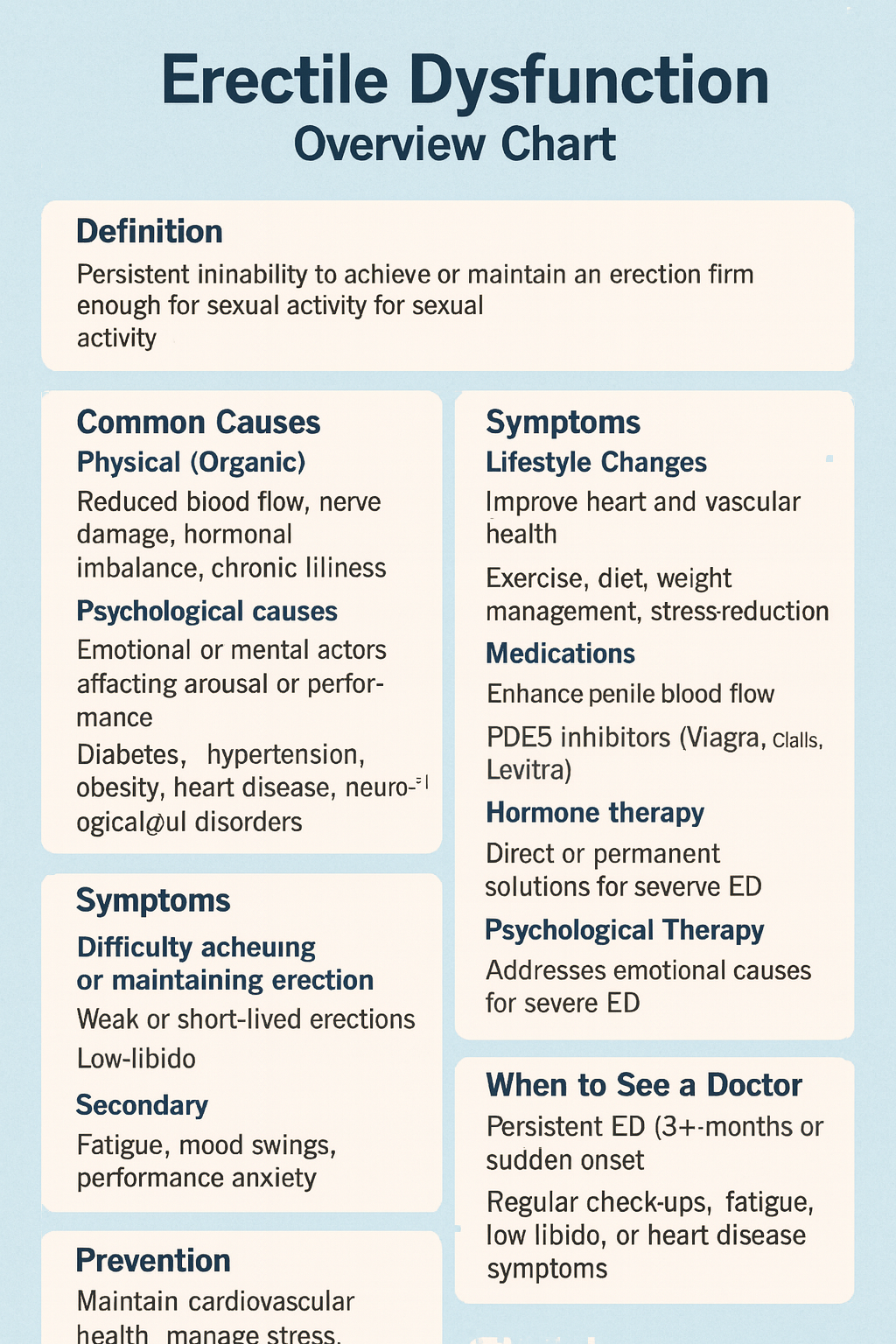
At its core, erectile dysfunction is the persistent inability to achieve or maintain an erection firm enough for satisfactory sexual performance. While an occasional difficulty is normal and usually harmless, recurring episodes can signal deeper problems—both physical and psychological—that deserve medical attention.
Beyond its physical impact, ED can take a heavy emotional toll, affecting confidence, relationships, and overall quality of life. The good news is that it’s highly treatable. From lifestyle adjustments and medications to newer medical technologies and counseling, there are several effective ways to manage and, in many cases, reverse erectile dysfunction.
This guide explores the causes, symptoms, and treatments of ED—helping you understand when to seek help and what options may work best for you.
What Is Erectile Dysfunction?
Erectile dysfunction (ED), sometimes called impotence, is defined as the persistent inability to achieve or maintain an erection sufficient for satisfactory sexual performance. It’s important to note that occasional erection difficulties are common and often caused by stress, fatigue, or temporary health issues. However, when the problem becomes consistent or progressive, it may indicate an underlying medical or psychological condition that requires evaluation.
Erections depend on a complex interaction of blood vessels, nerves, hormones, and psychological factors. When a man becomes sexually aroused, signals from the brain trigger increased blood flow to the penis. If any part of this system—vascular, neurological, or hormonal—is disrupted, achieving or sustaining an erection becomes difficult.
ED can occur:
- When blood flow to the penis is reduced.
- When nerve signaling between the brain and penis is impaired.
- When psychological factors such as anxiety or depression interfere with arousal.
- Or as a side effect of medications or chronic illnesses.
Understanding erectile dysfunction as a medical condition rather than a personal failure is the first step toward proper diagnosis and effective treatment.
Common Causes of Erectile Dysfunction
Erectile dysfunction can result from a single issue or a combination of physical, psychological, and lifestyle-related factors. Identifying the root cause is crucial because treatment often depends on addressing the underlying problem rather than just the symptoms.
1. Physical (Organic) Causes
Most cases of persistent ED have a physical origin that affects blood flow, nerve function, or hormone levels.
- Cardiovascular disease: Conditions like high blood pressure, atherosclerosis (narrowing of arteries), and heart disease reduce blood flow to the penis, making it difficult to achieve an erection.
- Diabetes: One of the leading causes of ED, diabetes can damage blood vessels and nerves that control erections.
- Hormonal imbalances: Low testosterone, thyroid disorders, or high prolactin levels can interfere with sexual desire and performance.
- Neurological disorders: Diseases like Parkinson’s, multiple sclerosis, or spinal cord injuries can disrupt nerve signals involved in erection.
- Certain medications: Antidepressants, antihypertensives, anti-anxiety drugs, and some prostate medications may cause or worsen ED as a side effect.
- Substance use: Excessive alcohol, smoking, and recreational drugs can constrict blood vessels and affect nerve sensitivity.
2. Psychological Causes
Even when the body is healthy, the mind plays a vital role in sexual function. Emotional or psychological factors can trigger or worsen ED.
- Stress and anxiety — especially related to work, finances, or relationships.
- Depression — which often lowers sexual interest and arousal.
- Performance anxiety — fear of not being able to perform can become a self-fulfilling cycle.
- Relationship issues — unresolved conflicts or lack of emotional intimacy can reduce sexual responsiveness.
3. Age-Related Changes
While age itself isn’t a direct cause of ED, the risk increases with advancing years. This is mainly due to age-related health conditions such as reduced testosterone, declining vascular elasticity, or metabolic disorders. However, ED is not an inevitable part of aging—many older men maintain healthy sexual function with proper lifestyle and medical care.
Symptoms and Warning Signs
Erectile dysfunction presents differently from person to person, but the key symptom is consistent difficulty in achieving or maintaining an erection firm enough for sexual intercourse. Recognizing early signs can help in getting timely diagnosis and treatment.
1. Primary Symptoms
- Difficulty achieving an erection: Trouble getting an erection despite stimulation or desire.
- Difficulty maintaining an erection: Erections that don’t last long enough for sexual activity.
- Reduced sexual desire (low libido): A noticeable decrease in interest or excitement toward sexual activity.
2. Additional Signs
- Softer or weaker erections compared to previous experiences.
- Ejaculation issues, including premature or delayed ejaculation.
- Reduced morning erections, which may indicate a physical rather than psychological cause.
- Emotional distress, such as frustration, embarrassment, or loss of confidence.
3. When to Take It Seriously
Occasional erection problems are normal—fatigue, stress, or alcohol use can affect performance temporarily. However, if the symptoms persist for more than three months or worsen over time, it’s important to seek medical advice.
ED can sometimes be an early warning sign of serious health problems, including heart disease, diabetes, or hormonal disorders. Identifying and managing these conditions early can improve not only sexual health but also overall well-being.
Diagnosis: How Doctors Evaluate Erectile Dysfunction
Diagnosing erectile dysfunction involves more than discussing sexual performance—it’s about uncovering the underlying cause. Since ED can stem from both physical and psychological factors, doctors typically follow a structured approach to evaluation.
1. Medical and Sexual History
A detailed history is the foundation of diagnosis. Your doctor will ask questions about:
- Frequency and duration of symptoms.
- Presence of morning or spontaneous erections.
- Current medications, alcohol, and smoking habits.
- Existing health conditions such as diabetes, hypertension, or heart disease.
- Psychological or relationship factors affecting sexual activity.
This helps determine whether the problem is primarily physical, psychological, or a mix of both.
2. Physical Examination
A routine physical exam may include:
- Checking blood pressure, heart rate, and BMI to assess cardiovascular health.
- Inspecting the penis and testicles for structural abnormalities or nerve issues.
- Evaluating secondary sexual characteristics, such as body hair and muscle mass, to detect hormonal imbalance.
- Assessing pulses in the legs and groin to check for blood flow issues.
3. Laboratory Tests
Blood tests may be recommended to rule out systemic causes:
- Blood glucose – for diabetes.
- Lipid profile – to detect high cholesterol or vascular risk.
- Testosterone and hormone panel – to assess hormonal status.
- Thyroid function tests – since thyroid imbalances can affect libido and erection.
4. Specialized Tests
If necessary, your doctor may suggest advanced investigations:
- Nocturnal penile tumescence (NPT) test – measures nighttime erections to distinguish between physical and psychological ED.
- Penile Doppler ultrasound – assesses blood flow and vascular integrity.
- Neurological evaluation – if nerve damage is suspected.
5. Psychological Evaluation
When emotional or mental factors are suspected, referral to a sex therapist or psychologist may be advised. Addressing underlying stress, depression, or relationship concerns often improves outcomes even without medication.
Treatment Options for Erectile Dysfunction
Erectile dysfunction is highly treatable, and the right approach depends on the underlying cause, the severity of symptoms, and patient preference. In most cases, treatment involves a combination of lifestyle changes, medical therapies, and psychological support.
1. Lifestyle and Behavioral Changes
For many men, improving overall health can significantly improve erectile function.
- Regular exercise: Enhances blood circulation, lowers blood pressure, and boosts natural testosterone levels.
- Healthy diet: A heart-friendly diet rich in fruits, vegetables, and whole grains supports better vascular health.
- Quit smoking and limit alcohol: Both can constrict blood vessels and impair nerve sensitivity.
- Stress management: Meditation, yoga, or relaxation techniques can help reduce performance anxiety.
- Sleep improvement: Consistent rest supports hormonal balance and mental well-being.
2. Oral Medications (PDE5 Inhibitors)
The most commonly prescribed first-line treatments for ED are phosphodiesterase type 5 inhibitors (PDE5 inhibitors), which enhance blood flow to the penis.
- Examples: Sildenafil (Viagra), Tadalafil (Cialis), Vardenafil (Levitra), Avanafil (Stendra).
- How they work: They improve the effects of nitric oxide, a natural chemical that relaxes penile muscles and increases blood flow during arousal.
- Note: These drugs require sexual stimulation to work and should only be used under medical supervision, especially in patients taking nitrates or those with heart conditions.
3. Hormone Therapy
If blood tests reveal low testosterone, testosterone replacement therapy (TRT) may be recommended.
- Available as gels, injections, or patches.
- Helps improve libido, energy, and sometimes erection quality.
- Requires periodic monitoring for prostate and cardiovascular safety.
4. Mechanical Devices
- Vacuum erection devices (VEDs): Create negative pressure around the penis to draw in blood, followed by a constriction ring to maintain the erection.
- Penile constriction rings: Simple rubber or silicone rings that help maintain erections after natural arousal.
5. Injection and Intraurethral Therapies
- Intracavernosal injections: Medications like Alprostadil or Trimix directly injected into the penile tissue to produce erections.
- Intraurethral suppositories: Tiny pellets inserted into the urethra that release medication to increase blood flow.
- These methods are often used when oral medications fail or are contraindicated.
6. Surgical Options
For severe or treatment-resistant ED, surgical procedures can be effective.
- Penile implants: Inflatable or malleable devices surgically placed in the penis to allow on-demand erections.
- Vascular surgery: Rarely performed; used to repair blood vessel blockages or leaks in younger men.
7. Psychological and Counseling Support
Because mental and emotional health strongly influence sexual performance, therapy can be a key part of treatment.
- Cognitive behavioral therapy (CBT): Helps break the cycle of performance anxiety and negative thinking.
- Couples therapy: Improves communication and reduces pressure between partners.
- Stress and depression management: Through therapy, mindfulness, or medication when appropriate.
8. Emerging and Alternative Therapies
- Shockwave therapy: Uses low-intensity sound waves to improve penile blood flow (still under research).
- Platelet-rich plasma (PRP) therapy: Experimental treatment using growth factors to regenerate tissue.
- Stem cell therapy: Under clinical trials; potential to repair damaged nerves and blood vessels.
Preventing Erectile Dysfunction
While not all cases of erectile dysfunction can be avoided, many can be prevented or delayed through healthy habits and proactive medical care. Since ED is often tied to overall vascular and metabolic health, maintaining a healthy body also supports better sexual function.
1. Maintain Cardiovascular Health
- Engage in regular physical activity — at least 30 minutes of moderate exercise most days of the week.
- Manage blood pressure, cholesterol, and blood sugar levels through a balanced diet and regular checkups.
- Choose foods rich in antioxidants and omega-3 fatty acids to keep arteries flexible and healthy.
2. Avoid Smoking and Excessive Alcohol
- Nicotine narrows blood vessels, reducing blood flow to the penis.
- Alcohol can suppress testosterone and interfere with nerve signaling.
- Cutting down or quitting altogether can significantly improve erectile performance.
3. Manage Stress and Mental Health
- Chronic stress, anxiety, or depression can disrupt hormone levels and sexual arousal.
- Practice mindfulness, meditation, or yoga to calm the nervous system.
- Don’t hesitate to seek therapy or counseling if stress or emotional strain is ongoing.
4. Maintain a Healthy Weight
- Obesity increases the risk of diabetes and heart disease — both major contributors to ED.
- Losing even a small amount of weight can improve vascular function and boost testosterone naturally.
5. Get Enough Rest
- Poor sleep affects hormone production, especially testosterone.
- Aim for 7–8 hours of sleep per night to maintain healthy hormonal balance.
6. Routine Medical Checkups
- Regular visits to a healthcare provider help detect early signs of diabetes, hypertension, and hormonal imbalances.
- Discuss any changes in sexual health with your doctor — early intervention often leads to better outcomes.
When to See a Doctor
Occasional erection problems can happen to anyone and are usually nothing to worry about. However, if the problem persists, becomes more frequent, or affects your confidence and relationships, it’s time to seek professional advice. Erectile dysfunction is often an early warning sign of deeper health issues that require medical attention.
1. Persistent Symptoms
You should consult a doctor if you experience:
- Difficulty achieving or maintaining an erection for more than three months.
- Noticeable decrease in sexual desire or performance.
- Erections that are consistently weaker than before.
- Loss of spontaneous or morning erections.
2. Co-existing Health Conditions
ED can signal underlying problems that need early treatment:
- Heart disease – ED can appear years before cardiac symptoms.
- Diabetes or metabolic syndrome – both can damage blood vessels and nerves.
- Hormonal disorders – such as low testosterone or thyroid imbalance.
3. Medication or Lifestyle Factors
If your symptoms began after starting a new medication or following lifestyle changes (like increased alcohol intake, smoking, or stress), your doctor can adjust or replace medications and suggest appropriate interventions.
4. Emotional or Psychological Distress
If anxiety, depression, or relationship tension are contributing factors, a psychologist or sex therapist can help address the emotional side of ED. Often, combining psychological therapy with medical treatment produces the best results.
5. Sudden or Painful Onset
Seek immediate medical help if ED develops suddenly or is accompanied by:
- Pain or deformity in the penis.
- Difficulty urinating.
- Symptoms of low testosterone such as fatigue, muscle loss, or mood changes.
Ignoring persistent ED can delay the diagnosis of serious health conditions. Early consultation with a urologist or sexual health specialist can restore not just sexual function but overall physical well-being.
Erectile dysfunction is far more common than many men realize—and more treatable than most assume. It’s not just about sexual performance; it’s a reflection of overall physical and emotional health. Whether caused by stress, chronic illness, or lifestyle factors, ED often responds well to a combination of medical treatment, lifestyle improvement, and psychological support.
The first and most important step is acknowledging the problem and discussing it openly with a healthcare professional. Many men delay seeking help out of embarrassment, yet early intervention can lead to complete recovery or effective long-term management.
Modern medicine offers a wide range of options—from oral medications and hormone therapy to emerging regenerative treatments. Paired with healthy habits and emotional well-being, these approaches can restore both confidence and intimacy.
Erectile dysfunction is not a permanent condition—it’s a signal. Listening to that signal and addressing it holistically can improve not just sexual health, but the quality of life as a whole.