
Disclaimer
This article is intended for informational and educational purposes only. It does not constitute medical advice, diagnosis, or treatment. Acupuncture should be performed only by a licensed and qualified practitioner using sterile techniques. Always consult a healthcare professional before starting acupuncture or any complementary therapy, especially if you are pregnant, taking medications, or managing chronic health conditions.
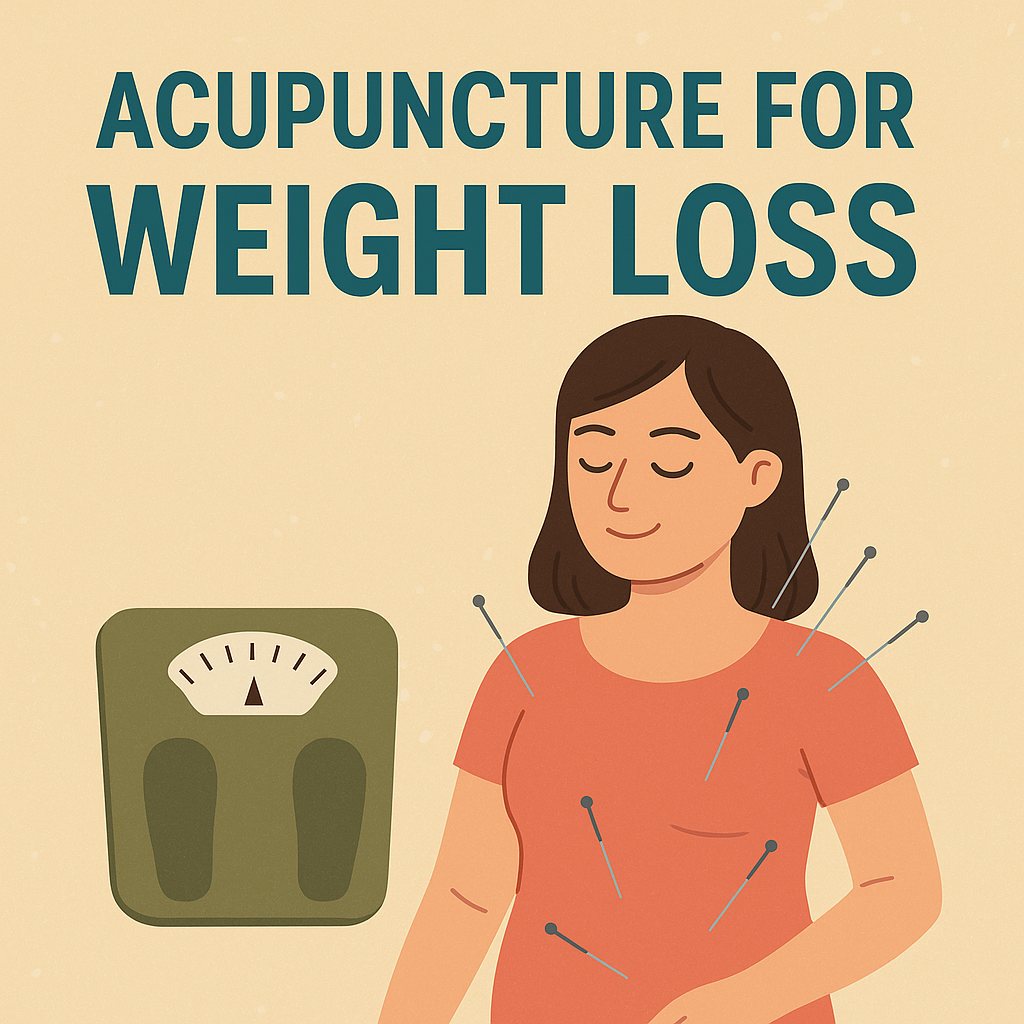
For centuries, acupuncture has been used as a cornerstone of Traditional Chinese Medicine (TCM) to restore balance in the body and promote overall wellness. Today, it’s gaining renewed attention as a potential complementary approach to weight management — one that focuses on the body’s internal balance rather than restrictive diets or extreme exercise routines.
In TCM, weight gain and difficulty losing weight are often viewed as the result of an imbalance in the body’s energy flow, or Qi (pronounced “chee”). When Qi becomes blocked or unbalanced, it can disrupt digestion, metabolism, and hormonal regulation — all of which play critical roles in maintaining a healthy weight. Acupuncture seeks to restore this balance by stimulating specific points on the body using fine, sterile needles.
From a modern scientific perspective, acupuncture may influence the nervous system, hormones, and metabolism, helping to reduce stress, regulate appetite, and support more efficient energy use. While it’s not a quick fix or a fat-burning treatment, acupuncture can help create conditions that make weight loss more achievable and sustainable when combined with healthy nutrition and lifestyle habits.
In the following sections, we’ll explore how acupuncture works, what science says about its effectiveness, the key acupuncture points for weight management, and what to expect if you’re considering this therapy.
What Is Acupuncture?
Origins in Traditional Chinese Medicine
Acupuncture is an ancient therapeutic practice that has been part of Traditional Chinese Medicine (TCM) for more than 2,500 years. It is based on the principle that the body’s vital energy, known as Qi (pronounced “chee”), flows through specific pathways called meridians. When this energy flow becomes blocked or unbalanced, it can lead to health issues such as fatigue, hormonal disruption, digestive problems, and weight gain.
By inserting fine, sterile needles into carefully selected points along these meridians, acupuncture aims to restore balance, promote energy flow, and stimulate the body’s natural healing processes.
Modern Medical Perspective
From a scientific standpoint, acupuncture affects the body in ways that can be measured and explained physiologically. Research shows that acupuncture stimulates sensory nerves, sending signals to the spinal cord and brain, which then release neurotransmitters such as endorphins, serotonin, and dopamine. These chemicals help regulate pain, mood, and appetite — all of which are important factors in weight management.
Acupuncture has also been shown to influence:
- The nervous system, by reducing stress and improving sleep quality.
- The endocrine system, by supporting hormone regulation.
- The digestive system, by improving gut motility and nutrient absorption.
How Acupuncture Is Performed
During a session, an acupuncturist inserts hair-thin needles into specific points based on your health goals. Each treatment typically lasts between 30 and 45 minutes. Most people experience a sensation of warmth, tingling, or mild heaviness — not pain. The number of sessions needed varies depending on the individual, but weight-related treatments often involve 1–2 sessions per week for several weeks.
Acupuncture is a gentle yet targeted therapy that helps restore internal balance. When applied for weight management, it focuses on improving the systems that control appetite, stress, metabolism, and digestion — creating a foundation for long-term health rather than short-term results.
The Connection Between Acupuncture and Weight Loss
A Holistic Approach to Body Balance
In Traditional Chinese Medicine, excess weight is not viewed merely as stored fat but as a sign of internal imbalance. This imbalance may stem from poor digestion, slow metabolism, stress, or hormonal disharmony. Acupuncture aims to correct these underlying dysfunctions by restoring balance in the body’s energy flow — helping systems that control appetite, digestion, and fat storage function more efficiently.
By stimulating specific acupoints, acupuncture encourages the smooth movement of Qi and blood, particularly in the digestive and endocrine systems. When these systems function optimally, the body can process nutrients better, regulate hunger, and maintain energy equilibrium.
Modern Scientific Explanation
From a modern medical perspective, acupuncture supports weight loss through its influence on the nervous system, hormones, and metabolic processes. Needle stimulation affects several biological pathways that can make managing weight easier, such as:
- Regulating appetite hormones — lowering ghrelin (the hunger hormone) and increasing leptin (the satiety hormone).
- Reducing stress and cortisol levels, which are often linked to emotional or stress-induced eating.
- Improving insulin sensitivity, helping the body use glucose more efficiently and reduce fat storage.
- Enhancing digestive efficiency, promoting regular bowel movements and nutrient absorption.
A Mind-Body Connection
Weight gain is often influenced by emotional and psychological factors such as anxiety, stress, and fatigue. Acupuncture activates the body’s relaxation response by stimulating the parasympathetic nervous system, leading to improved mood, reduced cravings, and fewer stress-related eating episodes. This makes it especially effective for individuals whose weight gain is tied to emotional eating or hormonal stress responses.
Not a Quick Fix, but a Supportive Therapy
It’s important to note that acupuncture alone does not directly burn fat or cause rapid weight loss. Instead, it acts as a complementary therapy that supports metabolic health, reduces barriers to weight loss, and enhances the effectiveness of diet and exercise. The best outcomes occur when acupuncture is used as part of a comprehensive lifestyle plan that includes healthy eating, movement, and sleep regulation.
Scientific Evidence: What Studies Say
Current Research Overview
Scientific research on acupuncture for weight loss has expanded over the past two decades. While results vary, many studies suggest that acupuncture can lead to modest but meaningful reductions in body weight, BMI, and waist circumference — particularly when combined with lifestyle interventions such as diet modification and exercise.
A review published in the International Journal of Obesity found that acupuncture may enhance weight loss outcomes by improving metabolism, regulating appetite hormones, and reducing stress. Participants receiving acupuncture in addition to diet and exercise tended to lose more weight than those who made lifestyle changes alone.
Clinical Studies and Findings
- A 2018 meta-analysis in Obesity Reviews examined 33 randomized controlled trials and concluded that acupuncture was more effective than sham (placebo) acupuncture for short-term weight loss. The authors noted significant improvements in body mass index (BMI) and waist-to-hip ratio, though long-term effects require more research.
- Another study published in Evidence-Based Complementary and Alternative Medicine (2019) reported that auricular (ear) acupuncture helped regulate hunger hormones such as ghrelin and leptin, contributing to better appetite control.
- Research in Endocrinology and Metabolism Clinics observed that acupuncture can positively influence insulin sensitivity and lipid metabolism, potentially reducing risk factors associated with obesity and metabolic syndrome.
Limitations of the Research
Despite encouraging data, studies on acupuncture and weight loss show variation in outcomes due to:
- Small sample sizes and short treatment durations.
- Differences in acupuncture methods (manual vs. electroacupuncture).
- Variations in frequency, acupoint selection, and practitioner skill.
Because of these inconsistencies, scientists emphasize that acupuncture should be seen as an adjunct therapy — one that supports lifestyle modification rather than replaces it.
Consensus Among Experts
Most healthcare professionals agree that acupuncture can help address underlying factors that make weight loss difficult — such as stress, poor digestion, and hormonal imbalance. While it may not cause dramatic fat loss, it supports a holistic approach to well-being by improving systems that regulate appetite, mood, and energy.
In summary, scientific evidence supports acupuncture as a complementary strategy for weight management, especially when paired with a balanced diet, exercise, and behavioral support. It helps the body function more efficiently, allowing sustainable results over time rather than quick but temporary changes.
Common Acupuncture Points Used for Weight Loss
Acupuncture for weight loss typically focuses on points that regulate appetite, digestion, metabolism, and emotional balance. The exact combination varies based on the practitioner’s assessment of your body type, health history, and energy flow (Qi). However, several acupuncture points are commonly used to support weight management.
Ear Acupuncture (Auricular Points)
Ear acupuncture, also known as auriculotherapy, plays a central role in weight control treatments. The ear is considered a microsystem that reflects the entire body, and stimulating specific points can influence hunger, stress, and digestion.
- Shen Men (Spirit Gate): Calms the mind, reduces anxiety, and controls stress-related eating.
- Stomach Point: Regulates digestive function and reduces overeating.
- Hunger Point: Helps suppress appetite and manage cravings.
- Endocrine Point: Balances hormone secretion and supports metabolism.
- Lung Point: Supports energy flow and helps manage cravings for food and smoking.
These points are often stimulated using very fine needles or small ear seeds that apply gentle pressure between sessions.
Body Acupuncture Points
Body points are chosen to balance internal systems and enhance digestion, metabolism, and circulation.
- Stomach 36 (ST36 – Zusanli): One of the most powerful energy and immune-supporting points. It boosts metabolism, aids digestion, and enhances overall vitality.
- Spleen 6 (SP6 – Sanyinjiao): Regulates the endocrine system, reduces water retention, and supports hormonal balance.
- Conception Vessel 12 (CV12 – Zhongwan): Improves stomach function, reduces bloating, and supports efficient digestion.
- Large Intestine 4 (LI4 – Hegu): Helps relieve stress and promote detoxification through improved circulation.
- Ren 6 (CV6 – Qihai): Strengthens core energy, improves gut motility, and promotes balance between metabolism and energy storage.
Abdominal and Peripheral Points
In some treatments, additional points along the abdomen or legs may be used to promote circulation and enhance fat metabolism. These areas help strengthen digestive energy and remove stagnation — a key concept in TCM related to slow metabolism or weight gain.
Customization Is Key
A licensed acupuncturist typically tailors the combination of points based on your body’s constitution. For example, individuals with stress-related eating may receive more points targeting the liver and emotional centers, while those with sluggish digestion may receive stomach and spleen meridian points.
The goal is not to treat weight gain directly but to harmonize the systems responsible for metabolism, digestion, and emotional regulation, thereby making weight control more natural and sustainable.
Treatment Process and What to Expect
Initial Consultation
Before beginning acupuncture for weight loss, your acupuncturist will conduct a comprehensive assessment. This includes reviewing your medical history, diet, lifestyle, and emotional well-being. In Traditional Chinese Medicine (TCM), practitioners also evaluate your tongue, pulse, and energy flow (Qi) to determine imbalances affecting digestion, hormones, and metabolism.
Based on this assessment, a personalized treatment plan is designed, focusing on specific acupuncture points that address appetite regulation, stress, or sluggish digestion.
During the Session
Each acupuncture session typically lasts 30 to 45 minutes. You’ll lie comfortably on a treatment table while the practitioner gently inserts fine, sterile needles into predetermined points on the body and ears.
- The insertion is usually painless, producing only a slight tingling or warmth.
- Once placed, the needles remain in position for 20–30 minutes.
- Some practitioners may apply mild electrical stimulation (electroacupuncture) or heat therapy (moxibustion) to enhance the effects.
Patients often describe the experience as deeply relaxing — many even fall asleep during the treatment.
Frequency and Duration
For weight loss, most acupuncturists recommend:
- 1–2 sessions per week during the initial phase (first 4–6 weeks).
- Gradually reducing to biweekly or maintenance sessions once symptoms improve and the body achieves better balance.
Long-term consistency is important because acupuncture’s benefits build over time as your body’s systems adapt and regulate.
What You May Feel After Treatment
After a session, most people feel relaxed, calm, and mentally clear. You may also notice improved digestion, better sleep, and fewer cravings within the first few weeks. Mild temporary effects such as slight fatigue or light bruising at needle sites can occur but resolve quickly.
Drinking water and resting for a few hours post-treatment help maximize results and support your body’s detoxification process.
Integration with Lifestyle Changes
Acupuncture yields the best outcomes when combined with:
- A balanced, nutrient-rich diet.
- Regular physical activity suited to your body type.
- Stress management techniques such as deep breathing or yoga.
- Consistent sleep patterns.
This holistic integration ensures that acupuncture amplifies your body’s natural ability to manage weight while maintaining overall wellness.
Benefits Beyond Weight Loss
While acupuncture is often used as a complementary therapy for weight management, its benefits extend far beyond the number on the scale. By restoring energetic balance and improving overall physiological function, acupuncture can enhance multiple aspects of health that indirectly support sustainable weight loss.
1. Improved Digestion
Acupuncture helps regulate the gastrointestinal system, promoting better nutrient absorption and smoother digestion. By stimulating points along the stomach and spleen meridians, it helps relieve bloating, constipation, and sluggish metabolism. A well-functioning digestive system ensures that nutrients are properly utilized, reducing the tendency for fat accumulation.
2. Enhanced Energy and Metabolic Function
Stimulating specific acupuncture points such as ST36 (Zusanli) and CV6 (Qihai) can improve circulation, oxygen delivery, and energy metabolism. This not only increases stamina and reduces fatigue but also supports the body’s ability to use stored fat as energy. Patients often report feeling more active and focused after regular sessions.
3. Stress Reduction and Emotional Balance
Acupuncture is well known for its ability to reduce stress by promoting the release of endorphins and serotonin. Chronic stress raises cortisol levels, which can trigger cravings and emotional eating. Regular treatments help create a sense of calm and emotional stability, making it easier to maintain healthy eating habits and prevent stress-related weight gain.
4. Better Sleep Quality
Sleep plays a critical role in hormonal regulation, including the balance of appetite-related hormones such as ghrelin and leptin. Acupuncture promotes deeper, more restorative sleep by calming the nervous system and reducing nighttime restlessness. Improved sleep leads to better energy levels, mental clarity, and reduced hunger fluctuations during the day.
5. Hormonal Balance
By targeting endocrine-related acupoints, acupuncture can help regulate hormones such as insulin, estrogen, and thyroid hormones, which influence metabolism and fat storage. This is particularly beneficial for individuals dealing with conditions like PCOS (Polycystic Ovary Syndrome), perimenopause, or thyroid dysfunction that contribute to weight challenges.
6. Enhanced Mood and Mental Clarity
Mood swings, low motivation, and mental fatigue can make weight loss harder to sustain. Acupuncture helps improve mood stability, enhance focus, and reduce anxiety — all of which play a key role in maintaining long-term wellness habits.
In essence, acupuncture’s benefits reach beyond the physical. It supports emotional resilience, hormonal stability, and overall vitality, making it a truly holistic therapy for anyone seeking balance in both body and mind.
Risks and Precautions
Acupuncture is generally considered safe and well-tolerated when performed by a licensed and experienced practitioner. However, as with any medical or therapeutic procedure, it’s important to understand the potential risks, safety considerations, and situations where extra caution is needed.
1. Mild and Temporary Side Effects
After a session, you might experience minor effects such as:
- Slight soreness or bruising at the needle insertion sites.
- Temporary fatigue or lightheadedness, especially after the first few sessions.
- Mild bleeding or redness, which usually disappears quickly.
These effects are normal responses to the body’s healing mechanisms and typically resolve within a few hours.
2. When to Avoid Acupuncture
Certain conditions may require avoiding or delaying acupuncture until cleared by a healthcare professional. You should avoid or consult your doctor first if you:
- Have a bleeding disorder (e.g., hemophilia) or take blood-thinning medication.
- Are pregnant, as some acupoints — especially around the abdomen and lower back — may induce uterine contractions.
- Have severe skin infections or open wounds near the treatment areas.
- Have an active fever or infection, where the body’s immune system is already compromised.
In these cases, a qualified practitioner will adjust or postpone treatment to ensure your safety.
3. Safety Standards and Hygiene
Only trained, certified acupuncturists should perform the procedure. Safe acupuncture involves:
- Using sterile, single-use needles to prevent infection.
- Cleaning the skin before insertion.
- Proper disposal of needles after each session.
Following these safety standards ensures the risk of infection or injury remains extremely low.
4. Potential Risks with Improper Practice
When performed by unqualified individuals, acupuncture may lead to complications such as:
- Infection from unsterilized needles.
- Nerve or tissue injury due to incorrect needle depth or placement.
- Worsening of symptoms from inaccurate diagnosis or poor technique.
To prevent this, always verify your acupuncturist’s certification, clinical experience, and licensing before starting treatment.
5. Post-Treatment Care
After each session:
- Rest for a few hours to allow the body to integrate the effects.
- Stay hydrated to support circulation and detoxification.
- Avoid alcohol or strenuous activity immediately after treatment.
Most importantly, report any persistent discomfort, dizziness, or unusual symptoms to your practitioner or healthcare provider.
6. Integration with Conventional Care
Acupuncture should be viewed as a complementary therapy, not a replacement for medical treatment. If you have underlying health issues such as diabetes, thyroid disorders, or hormonal imbalances, acupuncture can work alongside your physician’s prescribed plan for safer and more effective results.
When administered correctly, acupuncture remains one of the safest natural therapies available — offering balance, relaxation, and metabolic support with minimal risk.
Acupuncture vs. Other Weight-Loss Approaches
Acupuncture stands out among weight-loss methods because it focuses on restoring the body’s natural balance rather than forcing quick physical changes. Unlike diets or medications that primarily target calorie restriction or fat metabolism, acupuncture works holistically — improving the systems that control hunger, hormones, and stress.
Below is a comparison of how acupuncture differs from, and complements, other common approaches to weight management.Who Can Benefit Most
Acupuncture can help individuals who struggle to lose weight despite balanced eating or regular exercise. It is especially beneficial for those whose challenges are linked to stress, hormonal imbalance, slow metabolism, or poor digestion. Rather than targeting fat directly, it works by supporting the internal systems that regulate weight, mood, and appetite.
Individuals Struggling with Stress-Related or Emotional Eating
Chronic stress increases cortisol, a hormone that promotes fat storage and triggers cravings for sugar or comfort foods. Acupuncture helps reduce cortisol levels, releases endorphins, and calms the nervous system. This makes it particularly effective for people who eat emotionally or feel anxious and restless around food.
People with Hormonal Imbalances
Conditions such as PCOS, thyroid dysfunction, or menopause can disrupt metabolism and lead to weight fluctuations. Acupuncture regulates endocrine activity, supporting balanced levels of insulin, estrogen, and thyroid hormones. As hormonal balance improves, the body naturally becomes more efficient at managing energy and reducing fluid retention.
Those Experiencing Digestive Issues
Digestive sluggishness can make weight control difficult. Acupuncture stimulates the stomach and spleen meridians, improving gut motility and nutrient absorption. It helps reduce bloating, constipation, and heaviness after meals, promoting a smoother digestive process that supports long-term metabolic health.
Individuals with Sleep Disorders or Fatigue
Sleep deprivation alters the hunger hormones ghrelin and leptin, increasing appetite and food cravings. Regular acupuncture sessions can enhance sleep quality and balance circadian rhythms by relaxing the nervous system. Better sleep supports stable energy, clearer focus, and improved appetite regulation.
Those Who Have Hit a Weight Plateau
When weight loss stalls despite healthy habits, it often indicates internal imbalance or stress overload. Acupuncture helps reactivate metabolism, improve circulation, and reduce tension in the body — helping individuals move past plateaus naturally without extreme calorie restriction.
People Seeking a Holistic Wellness Approach
Acupuncture is ideal for those looking to restore internal harmony instead of chasing rapid results. It complements medical treatments, dietary programs, and exercise plans without side effects. Its focus on overall well-being — physical, hormonal, and emotional — makes it a sustainable choice for long-term weight management.
Acupuncture benefits anyone whose weight challenges stem from disrupted balance rather than lack of effort. By calming the mind, improving metabolism, and aligning internal systems, it offers a more natural and steady path toward better health.
1. Acupuncture vs. Diet and Exercise
Diet and exercise remain the foundation of healthy weight management. They directly affect calorie intake and energy expenditure, while acupuncture supports these efforts by:
- Reducing cravings and emotional eating that often sabotage diet plans.
- Balancing energy and sleep, which help maintain motivation for physical activity.
- Regulating metabolism and hormones, making weight loss more efficient.
Acupuncture doesn’t replace diet and exercise but enhances their effectiveness by making the process more sustainable and less stressful on the body.
2. Acupuncture vs. Medications
Prescription weight-loss medications can offer faster results by suppressing appetite or altering metabolism, but they may come with side effects such as jitteriness, insomnia, or digestive issues.
In contrast, acupuncture:
- Works naturally through the body’s nervous and endocrine systems.
- Carries minimal side effects when performed properly.
- Addresses the root causes of overeating — such as stress, fatigue, or hormonal imbalance — instead of just controlling appetite temporarily.
For individuals seeking a gentler, more sustainable method, acupuncture can serve as an alternative or complementary therapy alongside medical supervision.
3. Acupuncture vs. Herbal or Supplement-Based Plans
Herbal remedies and supplements often target metabolism or fat absorption but vary greatly in safety and efficacy. Some may interact with medications or cause unwanted effects.
Acupuncture, however:
- Involves no ingestion of chemicals or herbs, reducing the risk of side effects.
- Can be paired with safe herbal therapies prescribed by a licensed TCM practitioner for better results.
- Focuses on systemic health improvement, not just symptom relief.
4. Acupuncture vs. Cosmetic or Surgical Treatments
Procedures like liposuction or body contouring deliver immediate results but don’t address lifestyle or internal imbalances. Weight can return if underlying habits and metabolic factors remain unchanged.
Acupuncture offers a non-invasive, long-term strategy that complements lifestyle change. While it doesn’t provide overnight transformations, it helps individuals achieve and maintain healthy weight naturally and safely.
5. Integrative Approach: The Best of Both Worlds
The most effective approach to weight loss is multidimensional — combining balanced nutrition, physical activity, stress management, and metabolic support. Acupuncture fits perfectly within this model, enhancing other therapies by promoting internal harmony and emotional well-being.
When combined with modern science and mindful living, acupuncture serves as a bridge between traditional healing and modern wellness, making it a valuable ally for long-term weight management.
Final Verdict
Acupuncture offers a gentle yet powerful approach to weight management by addressing the deeper causes of imbalance in the body. It does not directly burn fat but works by supporting the systems that influence weight — such as digestion, hormones, sleep, and stress regulation. When these systems function harmoniously, the body naturally becomes more efficient at managing appetite, storing energy, and maintaining a healthy weight.
The key strength of acupuncture lies in its holistic nature. Instead of isolating symptoms, it restores balance across multiple pathways — physical, emotional, and metabolic. People who struggle with emotional eating, stress-related weight gain, hormonal fluctuations, or digestive sluggishness often find acupuncture especially helpful.
However, acupuncture should be viewed as a supportive therapy, not a stand-alone solution. It works best when combined with a nutrient-rich diet, regular movement, adequate sleep, and stress management. Together, these create the right environment for gradual, sustainable weight loss and improved overall well-being.
Acupuncture reminds us that health isn’t about deprivation or quick fixes — it’s about restoring balance. When the body’s natural rhythm is supported, results follow steadily and last longer.