
This article is for educational and informational purposes only. It is not intended to diagnose, treat, cure, or prevent any medical condition. Progesterone cream and other hormone therapies should only be used under the guidance of a qualified healthcare professional after appropriate evaluation and testing.
Individuals with hormonal disorders, chronic health conditions, or those taking other medications should consult their physician before beginning progesterone cream or any new treatment. Results and experiences may vary depending on individual health status, dosage, and lifestyle factors.
Never self-prescribe or adjust hormone therapy without professional supervision. Always follow evidence-based medical advice tailored to your specific needs.
Hormones play a powerful role in how the body manages weight, energy, and fat storage — and progesterone is one of the most important among them. Often referred to as the “balancing hormone,” progesterone helps regulate metabolism, supports thyroid function, and counteracts the effects of excess estrogen, which is linked to water retention and fat accumulation.
In recent years, progesterone cream has gained attention for its potential to support hormonal balance and indirectly assist with weight management. While it’s not a fat-burning product, some individuals find that restoring healthy progesterone levels can reduce bloating, improve sleep, and enhance overall well-being — all of which contribute to better weight control.
However, for progesterone cream to be effective, where and how you apply it matters. The skin is a major route of absorption, and using it incorrectly may limit its benefits or cause hormonal fluctuations.
This article explores the science behind progesterone and weight regulation, the correct application sites for progesterone cream, and the safety considerations you should know before use. Always remember that hormone therapy — even in topical form — should be done under professional medical supervision.
Understanding Progesterone and Its Role in Weight Management
Progesterone is a naturally occurring hormone produced mainly in the ovaries after ovulation, and to a smaller extent in the adrenal glands. Its primary functions include regulating the menstrual cycle, supporting pregnancy, and maintaining hormonal balance. But beyond reproduction, progesterone also plays an important part in how the body processes fat, maintains muscle tone, and manages water retention.
How Progesterone Affects Metabolism
Progesterone helps balance the effects of estrogen — another key hormone that, when dominant, can lead to fluid retention, bloating, and fat storage, especially around the hips and thighs. By opposing estrogen’s excessive effects, progesterone promotes a more stable metabolic environment. It also supports the thyroid gland, which regulates how efficiently the body converts calories into energy.
When progesterone levels drop, metabolism can slow down, leading to symptoms like fatigue, mood changes, and difficulty losing weight. Restoring optimal levels may improve energy and encourage a healthier metabolic rate, indirectly supporting weight control.
The Connection Between Hormonal Imbalance and Weight Gain
Hormonal imbalance — particularly low progesterone relative to estrogen — can trigger several physiological changes that promote weight gain. These include increased appetite, sugar cravings, mood fluctuations, and slower fat breakdown. In women, this imbalance is especially common during perimenopause and menopause, when natural progesterone production declines.
By rebalancing these hormones, progesterone cream may help reduce estrogen dominance and relieve symptoms like bloating, irregular cycles, and water retention — factors that contribute to weight fluctuations.
Natural vs. Synthetic Progesterone
It’s important to distinguish between bioidentical progesterone (derived from plant sources like wild yam and structurally identical to the hormone produced in the body) and synthetic progestins (found in some contraceptives and hormone replacement therapies). Bioidentical forms, often used in topical creams, are designed for smoother absorption and fewer side effects, making them a preferred choice in hormone-balancing approaches.
While progesterone cream can play a role in supporting overall hormonal health, it should always be used as part of a medically supervised plan — not as a stand-alone weight-loss strategy.
Can Progesterone Cream Help with Weight Loss?
Progesterone cream is often promoted as a natural aid for weight loss, but its true effect is more nuanced. While it doesn’t directly burn fat, it can help regulate the hormonal imbalances that often make weight loss difficult. Understanding how it works can help set realistic expectations and prevent misuse.
Indirect Role in Weight Management
Progesterone influences several biological processes that affect how the body stores and uses fat. By stabilizing estrogen levels, it helps reduce water retention and bloating. It can also support thyroid function, which in turn influences metabolic rate. For individuals with low progesterone, restoring balance may lead to subtle but meaningful improvements in energy, sleep, and appetite — all of which contribute to better weight control over time.
Reducing Estrogen Dominance
One of the main reasons progesterone cream is linked to weight management is its ability to counteract estrogen dominance. When estrogen levels are high relative to progesterone, the body tends to store more fat, particularly in the hips, thighs, and abdomen. This imbalance can also cause mood swings and cravings for high-sugar foods. By increasing progesterone levels, the cream helps neutralize excess estrogen, reducing some of the symptoms that make weight management challenging.
Improved Sleep and Stress Response
Sleep and stress play major roles in maintaining a healthy weight. Low progesterone can lead to poor-quality sleep and higher cortisol levels, both of which are linked to fat storage and slower metabolism. Regular use of progesterone cream under medical supervision may help improve relaxation and sleep quality, supporting a more balanced stress response and indirectly promoting better weight outcomes.
Scientific Perspective
Current research does not confirm a direct, measurable link between topical progesterone and fat loss. Most evidence points toward its role in hormonal regulation, which creates a more favorable environment for weight control rather than triggering fat loss itself. In short, progesterone cream may support weight management — but only as part of a broader plan that includes proper nutrition, exercise, and lifestyle balance.
How Topical Progesterone Cream Works
Topical progesterone cream is designed to deliver the hormone directly through the skin into the bloodstream, bypassing the digestive system. This allows for smoother absorption and more consistent hormone levels compared to oral forms, which are metabolized by the liver before circulation.
Absorption Through the Skin
When applied to the skin, progesterone molecules penetrate the outer layer (epidermis) and reach the capillaries beneath. From there, the hormone enters the bloodstream and is distributed throughout the body. Because skin thickness varies across different body parts, the site of application significantly influences how much progesterone gets absorbed.
Areas with thinner skin and higher blood flow — such as the inner arms, chest, or neck — allow for better absorption. On the other hand, thicker or fatty areas may slow down absorption, making them less effective for consistent dosing.
How It Balances Hormones
Once absorbed, progesterone binds to specific receptors in the body, influencing reproductive tissues, the nervous system, and metabolic pathways. It helps restore hormonal balance by counteracting the effects of excess estrogen. This can improve symptoms such as fluid retention, mood instability, and irregular menstrual cycles, which are often associated with weight fluctuations.
Factors That Affect Absorption
Several variables can influence how efficiently progesterone cream works:
- Skin thickness: Thinner areas absorb more effectively.
- Body temperature: Warmer skin improves blood flow and enhances delivery.
- Timing: Applying it at the same time each day maintains stable hormone levels.
- Product formulation: Creams with proper emulsifiers and bioidentical progesterone yield better results than over-the-counter cosmetics.
Typical Usage
Most formulations provide around 20 mg of progesterone per dose, although the ideal amount varies by individual and must be prescribed by a healthcare provider. Depending on hormonal needs, it can be used daily or cyclically (often from day 14 to 28 of the menstrual cycle). Proper use helps maintain consistent hormone balance and supports the body’s natural rhythm.
When applied correctly and consistently, topical progesterone cream offers a gentle and effective method of restoring hormonal harmony without the peaks and crashes often seen with oral or synthetic alternatives.
Best Areas to Apply Progesterone Cream
Where you apply progesterone cream matters as much as how much you use. Since the skin is the delivery route for absorption, choosing the right areas can greatly influence how effectively the hormone enters the bloodstream. Applying it correctly ensures consistent absorption and minimizes the risk of hormonal fluctuations.
Why Application Site Matters
Different areas of the body have varying skin thickness and fat composition. Thinner areas with better blood circulation allow progesterone to pass through more efficiently. Rotating the sites also prevents over-saturation in one area, maintaining stable hormone delivery and preventing skin buildup.
Most Effective Areas for Application
Below are the commonly recommended sites for applying progesterone cream:
Inner Arms
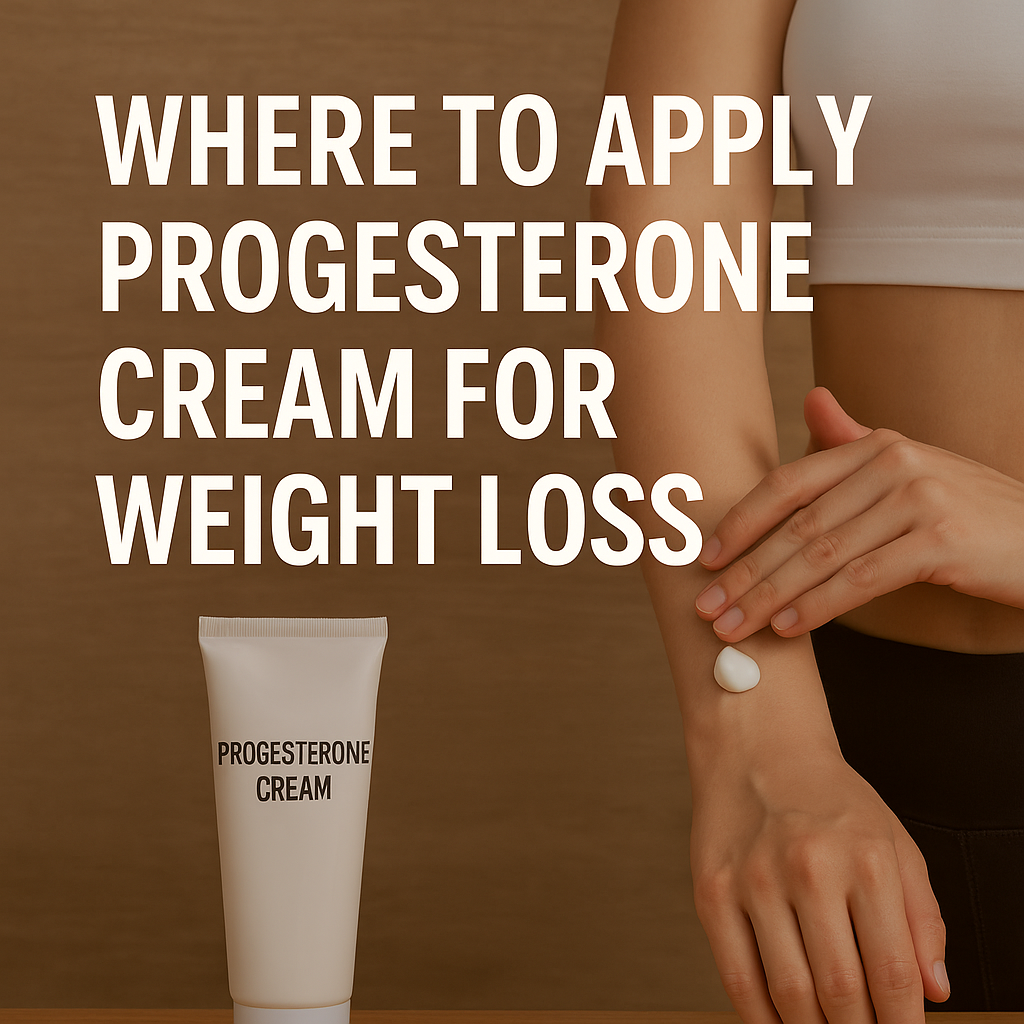
The inner forearms have thinner skin and abundant capillaries, making them one of the best areas for absorption. The cream can be gently massaged into the skin and left to dry naturally.
Inner Thighs
This area also provides good absorption due to its soft tissue and warm temperature. Alternating between the arms and thighs helps maintain even hormone uptake throughout the week.
Chest and Neck
The upper chest and neck regions are well-vascularized and have relatively thin skin. Applying a small amount here can enhance absorption, especially when rotating with other areas.
Abdomen and Lower Back
While slightly thicker than the arms or thighs, the abdomen and lower back can still absorb progesterone efficiently, especially if massaged gently in circular motions.
Buttocks or Behind the Knees
These are alternate sites often used to prevent local saturation. The area behind the knees, in particular, has thinner skin and good circulation, making it a suitable backup site.
Step-by-Step Application Guide
- Clean the area — Wash and dry the skin thoroughly before applying.
- Measure accurately — Use the prescribed or recommended dose based on product guidelines or medical advice.
- Apply gently — Massage the cream into the skin until fully absorbed. Avoid wiping or washing the area for at least 30 minutes.
- Rotate sites — Alternate between different areas each day or week to avoid buildup in any one location.
- Consistency is key — Apply at the same time daily to maintain balanced hormone levels.
By focusing on these optimal sites and maintaining a consistent application routine, progesterone cream can be absorbed more effectively, helping support hormonal balance and its related benefits.
Timing and Dosage Guidelines
Applying progesterone cream at the right time and in the correct amount is essential for achieving hormonal balance. While the exact dosage and timing depend on your age, hormonal status, and medical condition, some general principles can guide safe and effective use.
When to Apply Progesterone Cream
For most women, the timing of progesterone cream application depends on whether they are still menstruating or have reached menopause.
For Women with Regular Cycles
Progesterone naturally rises after ovulation, during the luteal phase of the menstrual cycle (around days 14–28). To mimic this pattern, the cream is typically applied daily during this phase, then paused during menstruation. This helps align with the body’s natural rhythm and maintain hormonal balance.
For Perimenopausal or Menopausal Women
When ovulation becomes irregular or stops, progesterone production drops significantly. In these cases, the cream may be used consistently throughout the month, often with a short break every few weeks to prevent receptor desensitization. Medical supervision is recommended to determine the most suitable schedule.
How Much to Use
Most commercially available progesterone creams deliver about 20 mg of progesterone per dose, though the optimal amount varies depending on individual hormone levels and symptoms. Some women may require more or less, depending on their blood or saliva hormone test results.
Your healthcare provider will typically start with a low dose and adjust it based on response and symptom improvement. Overuse can lead to hormonal imbalance and side effects such as fatigue, breast tenderness, or bloating.
Best Time of Day
Progesterone has a calming effect on the nervous system, so many people prefer applying it in the evening to promote better sleep. However, if it causes drowsiness during the day, nighttime use may be best. The key is consistency — applying it at the same time each day helps maintain stable hormone levels.
Signs of Correct Dosage
When the dosage and timing are right, users may notice:
- Improved sleep quality
- Reduced bloating or breast tenderness
- More stable mood and energy levels
- Better premenstrual comfort
When to Seek Adjustment
If you experience persistent fatigue, swelling, mood swings, or irregular bleeding, it may indicate overuse or hormonal imbalance. Always consult your healthcare provider before changing the dose or timing on your own.
By following a structured routine and medical guidance, progesterone cream can safely complement your body’s natural cycle and support hormonal well-being without unnecessary fluctuations.
Supporting Weight Loss Alongside Progesterone Cream
While progesterone cream can help correct hormonal imbalances that may indirectly influence weight, it works best when paired with healthy lifestyle habits. Hormones regulate metabolism, appetite, and energy, but diet, activity, and sleep determine how effectively the body uses that hormonal balance.
Prioritize a Balanced Diet
A hormone-supportive diet emphasizes whole, unprocessed foods. Focus on:
- Protein-rich foods such as eggs, lean meats, fish, and legumes to support muscle mass and satiety.
- Healthy fats like avocado, olive oil, nuts, and seeds to stabilize blood sugar and improve hormone production.
- High-fiber vegetables and whole grains to aid digestion and support detoxification of excess estrogen.
- Limiting refined sugars and processed foods to prevent insulin spikes that can disrupt hormone balance and promote fat storage.
Consistent, nutrient-dense meals help maintain stable blood sugar — an essential factor for keeping estrogen and progesterone levels in sync.
Incorporate Regular Exercise
Physical activity improves hormone sensitivity and helps the body manage stress hormones like cortisol.
- Resistance training supports lean muscle, which increases metabolic rate.
- Cardio exercise such as brisk walking or cycling enhances fat oxidation.
- Yoga or Pilates can improve circulation and lower stress, complementing progesterone’s calming effects.
A combination of these forms of exercise ensures both metabolic and hormonal benefits.
Manage Stress Levels
Chronic stress elevates cortisol, which competes with progesterone in the body. High cortisol levels can reduce progesterone’s effectiveness, leading to symptoms like bloating, fatigue, and increased abdominal fat. Daily stress-management techniques such as deep breathing, journaling, or short breaks during work hours can help maintain healthy hormonal balance.
Focus on Quality Sleep
Progesterone naturally supports relaxation and promotes deeper sleep. Inadequate rest disrupts hormone production and appetite regulation, making weight management harder. Aim for 7–8 hours of quality sleep per night, maintain a consistent bedtime, and avoid caffeine or heavy meals in the evening.
Stay Hydrated
Hormone balance and metabolism both depend on proper hydration. Water supports digestion, detoxification, and circulation, which help the body process hormones efficiently. Aiming for 2–2.5 liters of water daily (or more during exercise) helps maintain hormonal stability and prevents water retention.
By combining progesterone therapy with mindful eating, exercise, stress management, and sleep hygiene, individuals are more likely to see improvements not just in weight, but also in overall well-being and hormonal health.
Common Mistakes to Avoid
Using progesterone cream can be beneficial for hormonal balance, but certain mistakes can limit its effectiveness or lead to unwanted side effects. Understanding what to avoid ensures that you use it safely and get the best possible results.
Applying to Ineffective Areas
Not all skin absorbs progesterone equally. Applying the cream to areas with thick skin or excess fat — such as the palms, soles, or outer thighs — can hinder absorption. Stick to recommended sites like the inner arms, thighs, or neck for better delivery into the bloodstream.
Using More Than Recommended
More progesterone doesn’t mean better results. Overuse can upset the delicate balance between progesterone and estrogen, causing symptoms such as fatigue, bloating, or irregular bleeding. Always follow the prescribed dosage and avoid self-adjusting without medical advice.
Inconsistent Application
Skipping days or changing application times frequently can cause hormone fluctuations. Progesterone works best when applied consistently — ideally at the same time each day and following your natural menstrual or prescribed schedule.
Not Rotating Application Sites
Applying progesterone cream repeatedly to the same area can cause receptor fatigue or localized saturation, reducing absorption over time. Rotating sites (arms, thighs, chest, or back) every few days ensures more even hormone distribution.
Using Non-Medical or Poor-Quality Creams
Some over-the-counter creams may not contain sufficient bioidentical progesterone or may include additives that hinder absorption. Always choose pharmaceutical-grade, bioidentical formulations prescribed or recommended by a healthcare professional.
Expecting Quick Weight Loss
Progesterone cream does not directly burn fat. Its role is to correct hormonal imbalances that may make weight loss easier when combined with proper nutrition and exercise. Expecting rapid weight loss without lifestyle changes leads to disappointment and misuse.
Ignoring Symptoms or Side Effects
If you experience persistent headaches, mood changes, or breast tenderness, it may indicate improper dosage or product formulation. Instead of discontinuing abruptly, consult your healthcare provider for evaluation and adjustment.
Avoiding these common mistakes helps ensure progesterone cream supports your body’s natural balance safely and effectively, contributing to gradual and sustainable improvements in weight and well-being.
Safety Considerations and Side Effects
Although progesterone cream is often marketed as a natural and gentle solution, it still acts as a hormone therapy — meaning it should be used carefully and under medical supervision. Understanding its safety profile and potential side effects helps ensure that you use it responsibly and effectively.
Who Should Avoid Using Progesterone Cream
Certain individuals should avoid using topical progesterone or should do so only under strict medical guidance. These include:
- People with hormone-sensitive cancers, such as breast, ovarian, or uterine cancer.
- Individuals with severe liver disease, as hormone metabolism occurs largely in the liver.
- Those with a history of blood clots or stroke, since hormone therapy can sometimes influence clotting risk.
- Anyone on hormone replacement therapy (HRT) or birth control pills, unless approved by a healthcare provider.
If you fall into any of these categories, your doctor may recommend alternative approaches to balance hormones safely.
Possible Side Effects
When used correctly, most people tolerate progesterone cream well. However, overuse or improper application can lead to side effects such as:
- Breast tenderness or swelling
- Mild headaches or dizziness
- Mood swings or fatigue
- Bloating or water retention
- Spotting or menstrual irregularities
These effects often subside when dosage and timing are adjusted appropriately under supervision.
Interactions with Medications
Progesterone cream may interact with certain medications or supplements, including:
- Estrogen-based therapies
- Thyroid medications
- Corticosteroids
- Some antidepressants
If you’re on any prescription drugs, it’s crucial to inform your healthcare provider before starting progesterone cream to avoid hormonal or metabolic interference.
Monitoring Hormone Levels
Hormone balance is delicate, and self-diagnosing low progesterone based on symptoms alone can be misleading. The most accurate approach involves blood, saliva, or urine testing before and during treatment. Regular monitoring helps ensure that progesterone levels remain within a healthy range and that the therapy is achieving its intended effect.
Pregnancy and Breastfeeding
During pregnancy, progesterone levels rise naturally, and using external sources can disrupt this balance. Pregnant or breastfeeding individuals should never use progesterone cream unless specifically prescribed by a healthcare professional familiar with their case.
When used under proper supervision and with regular monitoring, progesterone cream is generally safe. The goal is to restore hormonal balance — not to exceed it. Responsible use minimizes risks and maximizes potential benefits for metabolism and well-being.
Final Verdict
Progesterone cream can be a valuable tool for supporting hormonal balance, especially in individuals struggling with symptoms of low progesterone or estrogen dominance. While it does not directly cause weight loss, maintaining proper progesterone levels can influence several processes that make it easier to manage weight — from reducing water retention and improving sleep to balancing appetite and energy levels.
The real effectiveness of progesterone cream depends on how it’s used. Applying it to areas with good blood flow, following a consistent schedule, and using the correct dosage are essential for achieving results. However, hormone regulation is complex — and topical therapy should always be part of a larger plan that includes balanced nutrition, physical activity, and stress management.
Ultimately, progesterone cream should not be viewed as a shortcut to fat loss but as a supportive measure that helps the body function optimally. When guided by proper medical advice, it can complement a healthy lifestyle and contribute to long-term metabolic stability and overall well-being.